
 EN
EN
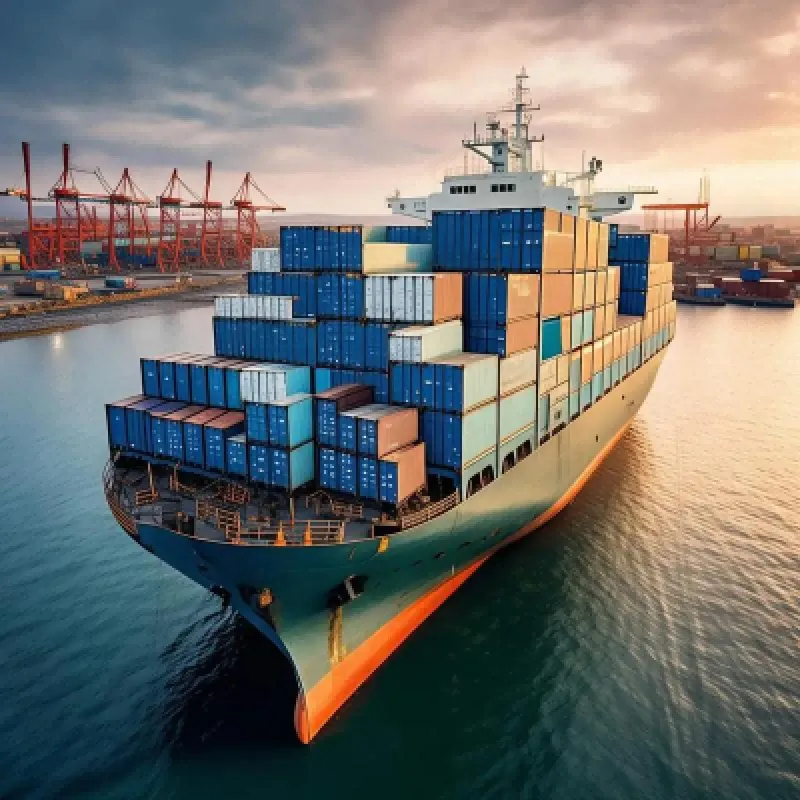
The global economy thrives on the seamless movement of goods across international borders, yet cross-border shipping presents unique challenges that continue to evolve in complexity. Leading logistics businesses have recognized that traditional shipping methods are no longer sufficient to meet the demands of modern international commerce. As e-commerce expansion accelerates and consumer expectations rise, companies must navigate increasingly intricate regulatory frameworks, customs procedures, and delivery requirements. The ability to adapt and innovate in cross-border shipping operations has become a critical differentiator for businesses seeking to maintain competitive advantage in the global marketplace.
Understanding the Complexity of Modern Cross-Border Shipping
Regulatory Compliance and Documentation Challenges
Successful cross-border shipping requires meticulous attention to regulatory compliance across multiple jurisdictions. Each country maintains distinct customs requirements, documentation standards, and import restrictions that must be carefully navigated. Leading logistics providers invest heavily in compliance management systems that automatically generate required documentation and ensure adherence to constantly changing regulations. These systems help prevent costly delays and penalties while maintaining the integrity of international shipping operations.
The documentation process for cross-border shipping involves commercial invoices, packing lists, certificates of origin, and specialized permits depending on product categories. Advanced logistics companies employ dedicated compliance teams that monitor regulatory changes in real-time and update procedures accordingly. This proactive approach ensures that cross-border shipping operations remain compliant while minimizing the risk of shipment holds or rejections at customs checkpoints.
Technology Integration for Enhanced Visibility
Modern cross-border shipping demands unprecedented levels of transparency and tracking capabilities throughout the supply chain. Industry leaders leverage sophisticated tracking technologies that provide real-time visibility into shipment status, customs clearance progress, and delivery timelines. These systems integrate with multiple carrier networks and customs databases to offer customers comprehensive insights into their international shipments.
The implementation of artificial intelligence and machine learning algorithms has revolutionized cross-border shipping visibility. These technologies analyze historical shipping data to predict potential delays, optimize routing decisions, and proactively address issues before they impact delivery schedules. Leading logistics businesses utilize these predictive capabilities to enhance customer satisfaction and maintain competitive service levels in challenging international markets.
Strategic Partnerships and Network Optimization
Building Robust International Partner Networks
Successful cross-border shipping relies heavily on establishing strong partnerships with local carriers, customs brokers, and distribution centers in key international markets. Leading logistics companies carefully select partners based on their regional expertise, operational capabilities, and commitment to service excellence. These partnerships enable seamless handoffs between different stages of the cross-border shipping process while maintaining consistent service standards across diverse geographic regions.
The development of strategic partnerships also involves ongoing relationship management and performance monitoring to ensure that cross-border shipping operations meet established quality benchmarks. Regular partner evaluations, training programs, and collaborative improvement initiatives help maintain high service standards while adapting to local market conditions and regulatory requirements. This collaborative approach strengthens the overall cross-border shipping network and enhances customer satisfaction.
Optimizing Hub and Distribution Center Locations
Strategic positioning of distribution hubs and sorting facilities plays a crucial role in optimizing cross-border shipping efficiency. Leading logistics providers analyze trade flows, customs processing times, and transportation infrastructure to identify optimal locations for their international operations. These strategically placed facilities enable faster customs clearance, reduced transportation costs, and improved delivery times for cross-border shipping customers.
The optimization process also considers factors such as free trade zones, special economic areas, and bilateral trade agreements that can provide advantages for cross-border shipping operations. By leveraging these geographic and regulatory benefits, logistics companies can offer more competitive pricing and faster transit times while maintaining compliance with international trade regulations.
Customs Clearance Efficiency and Automation
Automated Documentation and Pre-Clearance Systems
Advanced customs clearance capabilities have become essential for efficient cross-border shipping operations. Leading logistics businesses invest in automated documentation systems that generate accurate customs declarations, calculate duties and taxes, and submit clearance requests electronically. These systems reduce processing time, minimize human errors, and enable faster release of shipments from customs authorities.
Pre-clearance programs allow qualified shippers to submit customs documentation before goods arrive at international destinations, significantly reducing clearance time and improving delivery predictability. Logistics leaders actively participate in these programs and help their customers achieve trusted trader status with various customs authorities. This collaborative approach to cross-border shipping compliance creates mutual benefits through faster processing and reduced administrative burden.
Risk Management and Security Protocols
Effective risk management is paramount in cross-border shipping operations, where security threats, regulatory changes, and geopolitical factors can significantly impact supply chain continuity. Leading logistics providers implement comprehensive security protocols that address cargo screening, supply chain visibility, and threat assessment throughout the international shipping process. These measures protect both the integrity of shipments and compliance with international security requirements.
Security protocols in cross-border shipping also encompass cybersecurity measures that protect sensitive customer data and shipping information from unauthorized access. Advanced encryption, secure communication channels, and regular security audits ensure that cross-border shipping operations maintain the highest levels of data protection while facilitating efficient information exchange between partners and stakeholders.
Technology-Driven Solutions for Operational Excellence
Digital Platform Integration and API Connectivity
Modern cross-border shipping requires seamless integration between various technology platforms to enable efficient data exchange and operational coordination. Leading logistics companies develop robust API connections that link their systems with carrier networks, customs authorities, and customer platforms. This integration eliminates manual data entry, reduces errors, and accelerates processing throughout the cross-border shipping workflow.
Digital platform integration also enables real-time communication and status updates that keep all stakeholders informed about shipment progress. Customers can access detailed tracking information, receive automated notifications about delays or issues, and manage their cross-border shipping requirements through user-friendly online portals. This transparency builds trust and enables proactive management of international supply chain operations.
Data Analytics and Performance Optimization
Advanced data analytics capabilities provide logistics leaders with actionable insights that drive continuous improvement in cross-border shipping operations. These systems analyze shipping patterns, customs clearance times, carrier performance, and customer satisfaction metrics to identify optimization opportunities. Regular analysis of cross-border shipping data helps companies refine their processes, negotiate better rates with partners, and enhance overall service quality.
Performance optimization through data analytics also enables predictive modeling that anticipates potential issues in cross-border shipping operations. By identifying patterns that precede delays or problems, logistics companies can implement proactive measures that maintain service quality and customer satisfaction. This data-driven approach to cross-border shipping management provides competitive advantages through improved efficiency and reliability.
Customer Experience Enhancement Strategies
Transparent Communication and Proactive Updates
Excellence in cross-border shipping requires maintaining clear and consistent communication with customers throughout the international delivery process. Leading logistics providers implement automated notification systems that provide timely updates about shipment status, customs clearance progress, and expected delivery times. These proactive communications help manage customer expectations and reduce anxiety associated with international shipping uncertainties.
Transparent communication also involves providing customers with detailed information about cross-border shipping requirements, potential delays, and regulatory considerations that may affect their shipments. Educational resources, shipping guides, and expert consultation services help customers make informed decisions about their international shipping needs while ensuring compliance with applicable regulations and requirements.
Flexible Service Options and Customization
Successful cross-border shipping providers offer flexible service options that accommodate diverse customer requirements and budget constraints. These options may include express delivery services, economy shipping alternatives, and specialized handling for specific product categories. By providing multiple service levels, logistics companies can serve a broader range of customers while optimizing their cross-border shipping networks for different performance requirements.
Customization capabilities in cross-border shipping also extend to specialized services such as white glove delivery, installation services, and reverse logistics support. Leading providers work closely with customers to develop tailored solutions that address specific business requirements while maintaining cost-effectiveness and compliance with international shipping regulations.
FAQ
What are the most common challenges in cross-border shipping operations?
The most significant challenges in cross-border shipping include navigating complex customs regulations across multiple countries, managing documentation requirements that vary by destination, dealing with unpredictable transit times due to customs processing delays, and maintaining cost-effectiveness while ensuring compliance with international trade regulations. Additional challenges include managing currency fluctuations, addressing security requirements, and coordinating with multiple carriers and local partners to ensure seamless delivery.
How do leading logistics companies ensure compliance with international shipping regulations?
Leading logistics companies maintain compliance through dedicated compliance teams that monitor regulatory changes, automated documentation systems that generate accurate customs declarations, strategic partnerships with local customs brokers in key markets, and regular training programs for staff handling cross-border shipping operations. They also invest in technology solutions that provide real-time updates on regulatory changes and maintain detailed audit trails for all international shipments.
What technologies are most important for modern cross-border shipping success?
Critical technologies for cross-border shipping success include automated customs clearance systems, real-time tracking and visibility platforms, artificial intelligence for predictive analytics and route optimization, secure communication networks for data exchange with partners and authorities, and integrated API connections that link various systems throughout the supply chain. These technologies work together to enhance efficiency, reduce errors, and provide customers with superior service experiences.
How can businesses optimize their cross-border shipping costs without compromising service quality?
Businesses can optimize cross-border shipping costs by consolidating shipments to achieve better rates, selecting optimal service levels based on urgency requirements, leveraging free trade zones and preferential trade agreements, implementing accurate product classification to minimize duties, and working with experienced logistics partners who can navigate complex routing options. Additionally, investing in proper packaging and documentation accuracy helps avoid costly delays and penalties that can significantly impact overall shipping costs.
Table of Contents
- Understanding the Complexity of Modern Cross-Border Shipping
- Strategic Partnerships and Network Optimization
- Customs Clearance Efficiency and Automation
- Technology-Driven Solutions for Operational Excellence
- Customer Experience Enhancement Strategies
-
FAQ
- What are the most common challenges in cross-border shipping operations?
- How do leading logistics companies ensure compliance with international shipping regulations?
- What technologies are most important for modern cross-border shipping success?
- How can businesses optimize their cross-border shipping costs without compromising service quality?

