
 EN
EN

International shipping from China has become the backbone of global commerce, with billions of products moving across oceans each year to reach consumers and businesses worldwide. The complexity of managing efficient and reliable logistics from China involves sophisticated coordination across multiple channels, regulatory frameworks, technological systems, and operational procedures. Leading logistics from China providers have developed comprehensive methodologies that address the unique challenges of cross-border transportation while maintaining speed, cost-effectiveness, and reliability throughout the entire shipping process.
Understanding how logistics from China providers achieve operational excellence requires examining the intricate systems they employ to handle documentation, customs clearance, transportation modes, warehouse management, and last-mile delivery. These providers leverage decades of experience, established relationships with carriers and authorities, advanced tracking technologies, and strategic positioning to ensure that shipments move seamlessly from Chinese factories to international destinations. Their ability to manage these complex operations while adapting to changing regulations, market demands, and customer expectations defines their competitive advantage in the global logistics marketplace.
Strategic Infrastructure and Network Design for International Shipping
Hub and Port Selection Strategy
Efficient logistics from China providers strategically position their operations around major shipping hubs and ports that offer optimal connectivity to international destinations. The selection of ports such as Shanghai, Shenzhen, Ningbo, and Qingdao is not arbitrary but based on comprehensive analysis of route efficiency, carrier availability, customs processing capacity, and inland transportation networks. These providers maintain facilities near multiple ports to provide flexibility in routing decisions based on destination requirements, seasonal congestion patterns, and cost optimization opportunities.
The network design extends beyond port selection to include strategically located consolidation centers where shipments from various suppliers are aggregated before international transport. This consolidation capability allows logistics from China providers to achieve economies of scale, reduce per-unit shipping costs, and offer more frequent departure schedules to popular destinations. The physical infrastructure includes temperature-controlled storage for sensitive goods, secure areas for high-value products, and specialized handling zones for oversized or hazardous materials.
Advanced logistics from China providers continuously evaluate their network performance using data analytics to identify bottlenecks, optimize routing patterns, and adjust capacity allocation. They maintain relationships with multiple carriers across ocean freight, air cargo, and rail services to ensure backup options when primary routes face disruptions. This redundancy in network design enables them to maintain service reliability even during peak seasons, port congestions, or unexpected operational challenges.
Technology Integration Across Supply Chain Nodes
Technology infrastructure forms the foundation of efficient operations for logistics from China providers, connecting every touchpoint from initial booking through final delivery. Enterprise resource planning systems integrate with warehouse management platforms, transportation management software, and customs clearance databases to create seamless information flow across the supply chain. Real-time visibility platforms enable customers to track shipment status, monitor milestone completion, and receive proactive notifications about potential delays or issues.
Modern logistics from China operations employ automated identification technologies including barcode scanning, RFID tags, and IoT sensors that track goods movement through every stage of the journey. These systems capture data points at pickup, warehouse receipt, container loading, port departure, customs clearance, and delivery attempts. The accumulated data feeds into predictive analytics engines that forecast transit times, identify risk patterns, and recommend proactive interventions to prevent service failures.
The integration of artificial intelligence and machine learning enhances operational decision-making for logistics from China providers by analyzing historical patterns to optimize container utilization, predict customs inspection probability, and recommend ideal shipping routes based on cost and time parameters. Digital platforms also facilitate documentation management, automating the generation of commercial invoices, packing lists, bills of lading, and certificates of origin while ensuring compliance with destination country requirements.
Operational Excellence Through Process Standardization and Quality Control
Documentation Management and Compliance Procedures
The complexity of international shipping documentation represents a significant challenge that logistics from China providers address through rigorous standardization and verification procedures. Every shipment requires accurate preparation of commercial invoices reflecting true product values, detailed packing lists describing contents and quantities, bills of lading establishing carrier responsibility, and various certificates depending on product categories and destination regulations. Professional logistics from China teams employ document specialists who verify information accuracy before submission to prevent customs delays.
Compliance management extends beyond basic documentation to include classification of goods according to harmonized tariff codes, calculation of duties and taxes, verification of trade agreement eligibility, and screening against denied party lists. Advanced logistics from China providers maintain updated databases of international trade regulations, free trade agreement provisions, and country-specific import restrictions. They employ compliance software that automatically flags potential issues such as missing certificates, prohibited items, or value discrepancies that could trigger customs holds.
Quality control procedures in documentation processing include multiple verification layers where different team members review documents for accuracy, completeness, and consistency. This systematic approach minimizes errors that could result in customs penalties, shipment returns, or extended clearance times. Leading logistics from China providers also maintain direct electronic data interchange connections with customs authorities, enabling faster document submission and status updates compared to manual processing methods.
Container Loading and Space Optimization Techniques
Efficient utilization of container space directly impacts the cost-effectiveness of logistics from China operations, requiring careful planning and execution during the loading process. Professional providers employ container loading specialists who calculate optimal arrangements based on product dimensions, weight distribution requirements, and fragility considerations. They use three-dimensional modeling software to simulate loading configurations before physical execution, ensuring maximum space utilization while maintaining cargo safety.
The loading process for logistics from China shipments follows established protocols that prioritize structural stability and product protection. Heavier items are positioned at the bottom with lighter goods stacked above, while weight is distributed evenly to prevent container imbalance during transport. Providers use securing materials including dunnage bags, strapping bands, and corner protectors to prevent cargo shifting during ocean transit or land transportation. For mixed-commodity shipments, incompatible products are segregated to prevent cross-contamination or damage.
Quality assurance during container loading includes photographic documentation of the packing process, verification against packing lists, and seal placement confirmation. These records protect both the logistics from China provider and the customer by establishing accountability and providing evidence of proper handling. Advanced providers also implement random quality audits where supervisors physically verify loading quality for a percentage of containers to maintain consistent operational standards.
Transportation Mode Selection and Carrier Relationship Management
Multi-Modal Transportation Strategy
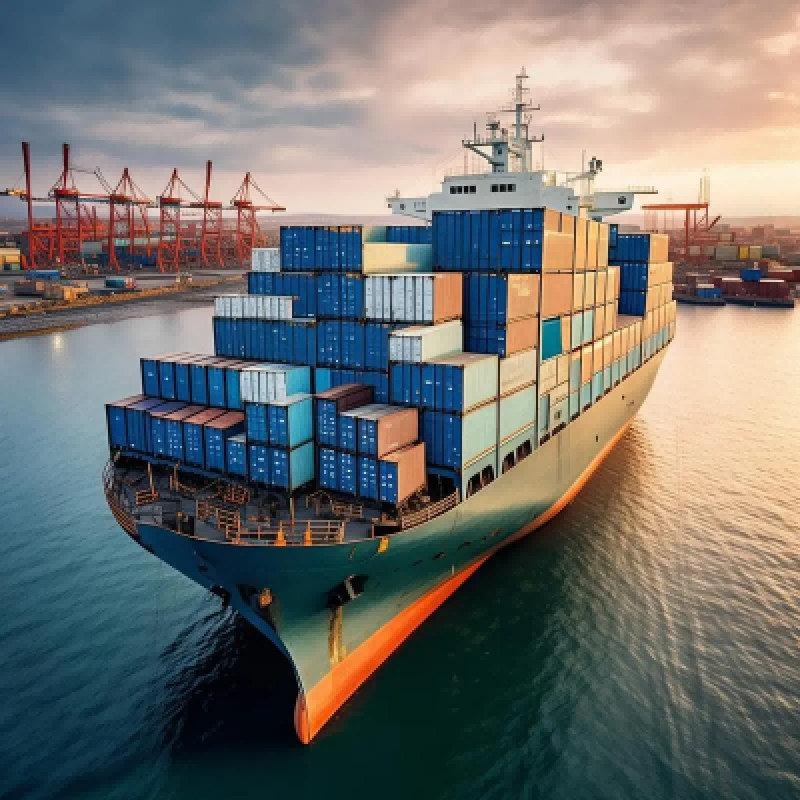
Successful logistics from China providers offer comprehensive transportation options including ocean freight, air cargo, rail services, and integrated solutions that combine multiple modes. The selection of appropriate transportation mode depends on factors including shipment urgency, product characteristics, destination location, and budget constraints. Ocean freight remains the most cost-effective option for large-volume shipments with flexible delivery timelines, while air cargo serves time-sensitive goods despite higher costs.
Rail transportation through initiatives like the China-Europe Railway Express has emerged as a middle-ground option for logistics from China operations targeting European destinations. This mode offers faster transit than ocean freight at lower costs than air cargo, making it attractive for mid-value products with moderate time sensitivity. Professional providers evaluate the total cost of ownership for each transportation mode, considering not just freight rates but also inventory carrying costs, warehousing expenses, and potential stockout risks.
The decision framework used by logistics from China experts incorporates variables such as seasonal rate fluctuations, carrier equipment availability, port congestion levels, and fuel price trends. They maintain flexibility by qualifying multiple carriers within each transportation mode, enabling them to shift volumes based on service quality, capacity constraints, or pricing dynamics. This multi-carrier strategy prevents over-dependence on single providers and ensures continuity during carrier-specific disruptions.
Carrier Partnership and Negotiation Approaches
Strong relationships with ocean carriers, airlines, and rail operators form a critical asset for logistics from China providers, enabling them to secure preferential rates, guaranteed space allocation, and priority handling during capacity-constrained periods. These partnerships are built through consistent volume commitments, reliable booking practices, and professional communication. Leading providers negotiate long-term contracts that provide rate stability while maintaining flexibility through spot market access for overflow volumes.
The negotiation approach employed by experienced logistics from China teams goes beyond simple price discussions to encompass service level agreements, equipment provisions, and dispute resolution procedures. They establish performance metrics that carriers must meet regarding on-time departures, cargo handling quality, and documentation accuracy. Regular performance reviews with carrier partners identify improvement opportunities and address recurring issues before they impact customer satisfaction.
Diversification across carrier portfolios enables logistics from China providers to mitigate risks associated with carrier bankruptcies, service discontinuations, or operational failures. They continuously evaluate carrier financial stability, service reliability, and network coverage to inform partnership decisions. This strategic approach to carrier management ensures that providers can maintain service commitments to customers regardless of individual carrier performance fluctuations.
Customs Clearance Excellence and Regulatory Navigation
Proactive Customs Management Systems
Customs clearance represents a critical control point where logistics from China shipments can experience significant delays if not managed properly. Professional providers employ licensed customs brokers who possess deep knowledge of import regulations, tariff classifications, and clearance procedures for destination countries. These specialists work proactively to prepare and submit documentation before cargo arrival, enabling faster processing once goods reach the destination port.
The customs management approach used by leading logistics from China providers includes pre-classification services where products are assigned correct tariff codes before shipment, reducing the risk of classification disputes during clearance. They maintain databases of previously cleared products with approved classifications, expediting processing for repeat shipments. Advanced providers also offer duty drawback programs and foreign trade zone utilization strategies that optimize total landed costs for customers.
Risk management in customs operations involves screening shipments against known risk factors that trigger inspections, such as first-time importers, high-value goods, or products from flagged suppliers. Logistics from China experts structure shipments to minimize inspection probability through accurate valuation, complete documentation, and established importer credentials. When inspections do occur, they coordinate closely with customs authorities to expedite the examination process and resolve any discrepancies quickly.
Regulatory Compliance and Trade Agreement Utilization
Navigating the complex landscape of international trade regulations requires logistics from China providers to maintain current knowledge of import restrictions, licensing requirements, and product-specific regulations. They monitor regulatory changes across destination markets, alerting customers to new requirements that might affect their shipments. Compliance services include verification of product certifications, safety standard conformance, and labeling requirement adherence before goods leave China.
Trade agreement utilization represents a value-added service where logistics from China providers help customers qualify for reduced duty rates under free trade agreements. This involves verifying product origin, obtaining necessary certificates, and structuring supply chains to meet rules of origin requirements. The potential savings from duty reduction often justify the additional documentation effort, particularly for products with substantial tariff rates.
Professional logistics from China operations also manage product-specific regulatory requirements such as FDA registration for food items, EPA compliance for chemicals, or FCC certification for electronics. They coordinate with testing laboratories, regulatory consultants, and certification bodies to ensure products meet all destination market requirements before shipment. This proactive approach prevents costly delays, product rejections, or regulatory penalties that could result from non-compliance.
Customer Communication and Service Reliability Mechanisms
Proactive Status Updates and Issue Management
Transparency through consistent communication distinguishes reliable logistics from China providers from competitors who only respond to customer inquiries. Leading providers implement automated notification systems that alert customers to key milestones including booking confirmation, cargo pickup, port departure, customs clearance initiation, and delivery scheduling. These proactive updates reduce customer anxiety and eliminate the need for status inquiry calls that consume resources for both parties.
When issues arise such as customs holds, port congestions, or carrier delays, professional logistics from China teams communicate problems immediately along with proposed solutions and revised delivery estimates. This transparent approach enables customers to adjust their own operations, inform end customers, and make informed decisions about alternative arrangements. The communication includes root cause explanations and steps being taken to resolve issues, demonstrating accountability and customer focus.
Advanced customer portals provided by modern logistics from China operations offer self-service access to shipment information, documentation downloads, and historical performance data. These platforms enable customers to track multiple shipments simultaneously, generate reports for internal stakeholders, and access proof of delivery documentation without contacting customer service representatives. The portal functionality extends to booking management, rate quotation requests, and invoice review, creating operational efficiency for both customers and providers.
Performance Measurement and Continuous Improvement
Reliable logistics from China providers establish clear performance metrics covering on-time delivery rates, documentation accuracy, customs clearance speed, and damage-free delivery percentages. They track these metrics systematically, analyzing trends to identify improvement opportunities and validate the effectiveness of operational changes. Regular performance reporting to customers demonstrates accountability and builds confidence in service reliability.
The continuous improvement methodology employed by leading logistics from China operations includes root cause analysis for service failures, implementation of corrective actions, and monitoring to verify effectiveness. They solicit customer feedback through surveys, review meetings, and structured feedback sessions to understand pain points and service expectations. This customer input directly influences process refinements, technology investments, and training priorities.
Benchmarking against industry standards and competitor performance helps logistics from China providers maintain competitive service levels while identifying differentiation opportunities. They participate in industry associations, attend logistics conferences, and study best practices from other markets to continuously enhance their operational capabilities. This commitment to excellence ensures that they remain at the forefront of logistics innovation and service quality.
FAQ
What factors should businesses consider when selecting a logistics from China provider?
Businesses should evaluate several critical factors when choosing a logistics from China provider, including the provider's network coverage in both China and destination markets, their experience with specific product categories, technology capabilities for shipment tracking and documentation management, financial stability, carrier relationships, customs clearance expertise, and customer service responsiveness. It is also important to assess their problem-resolution capabilities, insurance options, and flexibility in handling both regular shipments and urgent requirements. Reviewing customer testimonials, requesting performance metrics, and conducting trial shipments can provide valuable insights into actual service quality before committing to a long-term partnership.
How do logistics from China providers handle customs inspections and delays?
Professional logistics from China providers manage customs inspections through proactive preparation including accurate documentation, proper product classification, and complete regulatory compliance verification before shipment departure. When inspections occur despite proper preparation, they coordinate directly with customs authorities to facilitate the examination process, provide additional documentation if requested, and expedite release once inspection is complete. For delays caused by regulatory issues, they work with customs brokers and legal experts to resolve classification disputes, valuation questions, or compliance concerns. Throughout the process, they maintain transparent communication with customers, providing regular updates on inspection status and revised delivery timelines while exploring alternative solutions such as partial release of uninspected goods when possible.
What technologies do modern logistics from China providers use to ensure shipment visibility?
Modern logistics from China providers employ comprehensive technology stacks that include cloud-based transportation management systems, GPS tracking devices on vehicles and containers, RFID tags for individual packages, IoT sensors monitoring environmental conditions for sensitive cargo, and integrated platforms that aggregate data from carriers, ports, and customs systems. These technologies feed into customer-facing portals that provide real-time shipment location updates, milestone completion notifications, estimated delivery times, and documentation access. Advanced providers also implement predictive analytics that use historical data and current conditions to forecast potential delays, enabling proactive intervention before issues impact delivery schedules. Mobile applications extend visibility capabilities to smartphones and tablets, allowing stakeholders to monitor shipments and receive alerts regardless of location.
How can businesses reduce costs when working with logistics from China providers?
Businesses can reduce logistics costs through several strategic approaches including consolidating multiple smaller shipments into full container loads to achieve better per-unit rates, planning shipments during off-peak seasons when carrier rates are lower, utilizing slower but more economical ocean freight instead of air cargo when time permits, and optimizing packaging to reduce dimensional weight charges. Working with logistics from China providers to classify products correctly can reveal duty-saving opportunities through trade agreements or alternative tariff classifications. Establishing predictable shipping volumes enables negotiation of contract rates rather than paying higher spot market prices. Additionally, improving demand forecasting to reduce urgent shipment requirements, minimizing documentation errors that cause customs delays and associated storage fees, and leveraging provider expertise to identify total cost optimization opportunities across the supply chain can significantly reduce overall logistics expenses while maintaining service quality.
Table of Contents
- Strategic Infrastructure and Network Design for International Shipping
- Operational Excellence Through Process Standardization and Quality Control
- Transportation Mode Selection and Carrier Relationship Management
- Customs Clearance Excellence and Regulatory Navigation
- Customer Communication and Service Reliability Mechanisms
-
FAQ
- What factors should businesses consider when selecting a logistics from China provider?
- How do logistics from China providers handle customs inspections and delays?
- What technologies do modern logistics from China providers use to ensure shipment visibility?
- How can businesses reduce costs when working with logistics from China providers?

