
 EN
EN
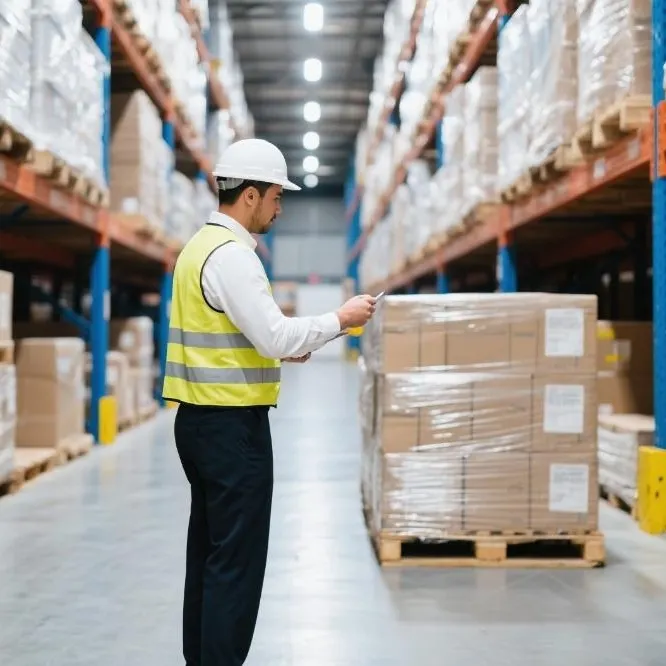
In today's competitive business environment, the connection between logistics transportation and customer satisfaction has become increasingly critical for companies seeking to maintain market leadership. Modern consumers expect seamless delivery experiences, real-time tracking capabilities, and reliable service that meets their evolving demands. The efficiency of logistics transportation systems directly influences customer perception, brand loyalty, and overall business success across industries ranging from e-commerce to manufacturing.
The transformation of supply chain management has revolutionized how businesses approach customer service delivery. Companies that invest in advanced logistics transportation infrastructure consistently outperform competitors in customer retention metrics and market share growth. Understanding these dynamics enables organizations to develop strategic approaches that align operational efficiency with customer expectations, creating sustainable competitive advantages in increasingly crowded marketplaces.
The Foundation of Customer-Centric Logistics Transportation
Strategic Planning and Route Optimization
Effective logistics transportation begins with comprehensive strategic planning that prioritizes customer needs while optimizing operational costs. Route optimization algorithms analyze traffic patterns, delivery windows, and customer preferences to create efficient delivery schedules that minimize delays and maximize satisfaction. Advanced planning systems consider variables such as weather conditions, seasonal demand fluctuations, and regional infrastructure limitations to ensure consistent service quality.
Modern transportation management systems leverage artificial intelligence and machine learning to continuously improve route efficiency and predict potential disruptions. These technologies enable proactive adjustments that prevent service interruptions and maintain delivery reliability. Companies implementing sophisticated planning tools typically experience significant improvements in on-time delivery rates and customer satisfaction scores.
Technology Integration and Visibility
Real-time visibility throughout the transportation process has become a fundamental customer expectation rather than a premium service feature. GPS tracking, IoT sensors, and mobile communication platforms provide customers with detailed information about shipment status, estimated delivery times, and potential delays. This transparency builds trust and allows customers to plan their schedules around delivery windows, reducing frustration and improving overall experience quality.
Integration between transportation management systems and customer relationship management platforms enables personalized communication strategies that keep customers informed throughout the delivery process. Automated notifications, customizable alerts, and interactive tracking portals create engagement opportunities that strengthen customer relationships while reducing support inquiries and operational overhead.
Operational Excellence in Transportation Services
Delivery Speed and Reliability Standards
Customer satisfaction metrics consistently show strong correlations between delivery speed, reliability, and overall service perception. logistics transportation providers must balance speed expectations with cost considerations while maintaining consistent performance standards. Fast delivery options, including same-day and next-day services, have become competitive necessities in many market segments, particularly in urban areas where customer expectations continue to escalate.
Reliability extends beyond simple on-time performance to include package condition, accurate delivery locations, and professional driver interactions. Companies investing in driver training programs, vehicle maintenance protocols, and quality assurance systems typically achieve higher customer satisfaction ratings and reduced complaint volumes. These operational investments create measurable returns through increased customer loyalty and reduced service recovery costs.
Flexibility and Customization Options
Modern customers demand flexibility in delivery options, including alternative delivery locations, specific time windows, and special handling requirements. Logistics transportation providers that offer comprehensive customization options can accommodate diverse customer needs while differentiating their services from competitors. Flexible delivery models, such as evening and weekend options, cater to changing lifestyle patterns and work schedules that traditional business hours cannot accommodate.
Customization capabilities extend to specialized handling requirements for fragile, temperature-sensitive, or high-value items that require additional care during transportation. Companies developing expertise in specialized logistics transportation services can command premium pricing while building strong customer relationships based on trust and reliability in handling critical shipments.
Technology-Driven Customer Experience Enhancement
Digital Communication Platforms
Seamless communication between logistics transportation providers and customers relies on sophisticated digital platforms that deliver timely, accurate information through preferred communication channels. Mobile applications, web portals, and automated messaging systems create multiple touchpoints for customer interaction while reducing manual communication overhead. These platforms enable customers to modify delivery preferences, reschedule appointments, and provide delivery instructions that improve first-attempt success rates.
Integration with social media platforms and messaging applications expands communication options to meet customers where they already engage digitally. Proactive communication about potential delays, successful deliveries, and service updates demonstrates commitment to customer service excellence while building brand recognition and loyalty through consistent, professional interactions.
Data Analytics and Predictive Insights
Advanced analytics platforms transform logistics transportation data into actionable insights that improve customer satisfaction through predictive service delivery. Machine learning algorithms analyze historical delivery patterns, customer feedback, and operational metrics to identify optimization opportunities and predict potential service issues before they impact customers. These insights enable proactive service adjustments that maintain high satisfaction levels while reducing operational costs.
Predictive analytics also support personalized service offerings based on individual customer preferences, delivery history, and behavioral patterns. Companies leveraging these insights can tailor logistics transportation services to meet specific customer needs while optimizing resource allocation and improving overall operational efficiency across their delivery networks.
Quality Management and Continuous Improvement
Performance Monitoring and Metrics
Comprehensive performance monitoring systems track key indicators that directly correlate with customer satisfaction, including on-time delivery rates, package condition scores, and customer feedback ratings. Regular analysis of these metrics identifies trends, problem areas, and improvement opportunities that guide strategic decision-making and operational adjustments. Benchmarking against industry standards and competitor performance provides context for setting realistic yet ambitious improvement targets.
Real-time monitoring capabilities enable immediate response to service disruptions and proactive customer communication about potential issues. Companies implementing robust monitoring systems can maintain high service standards while continuously identifying opportunities for process optimization and cost reduction that benefit both operational efficiency and customer satisfaction outcomes.
Feedback Integration and Service Recovery
Customer feedback collection and analysis provide valuable insights into service quality perceptions and improvement opportunities that may not be apparent through operational metrics alone. Systematic feedback programs, including post-delivery surveys and ongoing communication channels, create opportunities for customers to share experiences and suggestions that inform service enhancement initiatives.
Effective service recovery processes transform negative experiences into opportunities for building stronger customer relationships through responsive problem resolution and corrective actions. Companies with well-designed recovery protocols often achieve higher long-term customer satisfaction than those that rarely experience service issues, demonstrating the value of professional problem-solving capabilities in logistics transportation operations.
Economic Impact and Business Value Creation
Cost-Benefit Analysis of Service Investment
Investment in superior logistics transportation capabilities generates measurable returns through increased customer retention, higher order values, and reduced acquisition costs for new customers. Economic analysis demonstrates that companies prioritizing transportation service quality typically achieve better profit margins and market growth rates compared to competitors focused primarily on cost minimization strategies.
Long-term financial benefits include reduced marketing expenses due to positive word-of-mouth referrals, decreased customer service costs through improved operational efficiency, and premium pricing opportunities for superior service delivery. These economic advantages compound over time, creating sustainable competitive positions that are difficult for competitors to replicate without similar service investments.
Market Differentiation Through Service Excellence
Superior logistics transportation services create powerful differentiation opportunities in commoditized markets where price competition typically erodes profit margins. Companies that establish reputations for exceptional delivery service can maintain premium pricing while building customer loyalty that withstands competitive pressure and market fluctuations.
Market differentiation through service excellence also attracts higher-value customers who prioritize reliability and convenience over price considerations alone. These customer segments typically generate higher lifetime values and more stable revenue streams that support business growth and expansion initiatives across geographic markets and industry verticals.
FAQ
How does transportation speed affect customer loyalty?
Transportation speed significantly influences customer loyalty by meeting or exceeding delivery expectations that customers have developed through experience with leading service providers. Fast, reliable delivery creates positive associations with brands and encourages repeat purchases, while slow or inconsistent transportation can drive customers to competitors offering superior logistics transportation services. Studies show that customers who consistently receive fast delivery are more likely to recommend companies to others and remain loyal despite competitive offers.
What role does tracking technology play in customer satisfaction?
Tracking technology enhances customer satisfaction by providing transparency and control over the delivery process, reducing anxiety about shipment status and enabling better planning around delivery schedules. Real-time tracking capabilities allow customers to monitor progress, receive proactive updates about delays, and make informed decisions about availability for delivery attempts. This visibility builds trust between customers and logistics transportation providers while reducing support inquiries and improving overall service perception.
How can companies measure the impact of logistics transportation on customer satisfaction?
Companies can measure logistics transportation impact through multiple metrics including Net Promoter Scores, customer retention rates, delivery performance statistics, and direct feedback surveys that correlate transportation experiences with overall satisfaction ratings. Advanced analytics platforms can track delivery performance against satisfaction scores to identify specific operational factors that most significantly influence customer perceptions. Regular measurement and analysis enable continuous improvement initiatives that strengthen the relationship between logistics transportation quality and customer loyalty outcomes.
What are the most common transportation-related customer complaints?
The most frequent transportation-related complaints include delayed deliveries, damaged packages, poor communication about delivery status, failed first-attempt deliveries, and inflexible delivery options that do not accommodate customer schedules. Addressing these common issues through improved logistics transportation processes, better packaging standards, enhanced communication systems, and flexible delivery options can significantly reduce complaint volumes while improving overall customer satisfaction and loyalty metrics across diverse customer segments.

