
 EN
EN
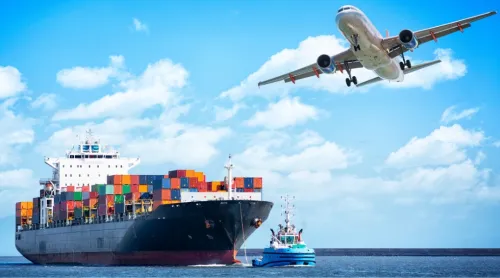
International logistics transportation stands as one of the most complex operational challenges facing modern supply chains. Companies engaged in global trade encounter numerous obstacles that can disrupt timelines, inflate costs, and compromise product integrity. Understanding these challenges is essential for businesses seeking to maintain competitive advantage in worldwide markets. The ability to navigate international logistics transportation successfully separates thriving enterprises from those struggling with inefficiency and unexpected expenses.
Every day, thousands of shipments cross international borders, and each one faces distinct hurdles unique to global operations. Organizations relying on international logistics transportation must contend with regulatory frameworks, documentation requirements, customs procedures, and coordination across multiple carriers and countries. These challenges compound when supply chains span continents, involve different languages, currencies, and legal systems. Addressing these obstacles strategically can dramatically improve delivery performance and reduce operational friction.
Regulatory Compliance and Documentation Challenges
Complex Customs Procedures in International Logistics Transportation
Customs clearance represents one of the most significant bottlenecks in international logistics transportation. Each country maintains unique import and export regulations, tariff classifications, and documentation requirements that can delay shipments by days or even weeks. Incorrect documentation—such as commercial invoices, bills of lading, certificates of origin, or packing lists—often triggers customs holds, triggering additional inspections and costs. Companies must navigate harmonized tariff codes, determine accurate duty rates, and comply with rules of origin that vary by trade agreement and country pair.
Inaccurate or incomplete paperwork frequently causes setbacks in international logistics transportation operations. When documentation errors occur, customs authorities may reject entire shipments, requiring shippers to correct forms and resubmit them, causing cascading delays throughout the supply chain. The complexity intensifies when dealing with restricted or controlled items, hazardous materials, or products requiring special permits or certifications. International logistics transportation specialists must maintain expertise across multiple regulatory domains to prevent costly compliance failures and maintain consistent service levels.
Changing Regulations and Trade Compliance
Trade regulations in international logistics transportation shift frequently, reflecting geopolitical changes, new trade agreements, and evolving government policies. Companies must stay informed about tariff modifications, country-specific restrictions, sanctions, and emerging compliance requirements that affect their shipments. These regulatory shifts can occur suddenly, leaving international logistics transportation providers scrambling to adapt procedures and inform clients of new constraints. Failing to track regulatory changes exposes organizations to penalties, shipment delays, and damaged business relationships.
International logistics transportation professionals must invest in regulatory monitoring systems and maintain relationships with customs brokers and compliance experts. Trade agreements, quotas, and preferential tariff rates require ongoing management and documentation to ensure shipments qualify for intended benefits. When regulations change mid-shipment, carriers may need to reroute goods or adjust strategies, adding time and cost to international logistics transportation operations. Proactive compliance tracking prevents surprises and enables smoother cross-border movements.
Infrastructure, Coordination, and Operational Challenges
Port Congestion and Limited Transportation Capacity
Port congestion significantly impacts international logistics transportation efficiency and cost predictability. Major shipping hubs worldwide experience periodic bottlenecks caused by weather, equipment failures, labor strikes, or simply excessive cargo volume. When ports operate at or beyond capacity, vessels wait days in queue, containers accumulate on docks, and demurrage charges escalate rapidly. International logistics transportation stakeholders—shippers, freight forwarders, carriers, and port operators—all suffer financial consequences and missed delivery windows during congestion events.
Limited container availability compounds challenges in international logistics transportation networks. After peak shipping seasons or in imbalanced trade lanes, empty containers may concentrate in certain regions, creating shortages elsewhere and driving up equipment costs. Carriers must position empties strategically, yet unexpected demand surges can quickly deplete available inventory. Companies relying on international logistics transportation during capacity-constrained periods often face inflated prices, delayed pickups, and limited carrier options. Effective capacity planning and carrier relationship management help mitigate these operational pressures.
Coordination Across Multiple Service Providers
International logistics transportation requires seamless coordination among numerous parties: exporters, importers, freight forwarders, customs brokers, ocean carriers, air carriers, trucking companies, warehouses, and government agencies. When these players fail to communicate effectively or execute procedures inconsistently, shipments experience delays, damage, or complete loss of tracking visibility. Each service provider maintains separate systems, schedules, and operational standards, creating friction points where information gaps or timing misalignments occur. Managing international logistics transportation across these fragmented networks demands sophisticated logistics software, clear contractual arrangements, and constant communication.
Carrier selection and performance management directly affect international logistics transportation outcomes. Some carriers prioritize certain routes or container types, leaving shippers with limited options during peak demand. Equipment quality varies significantly among service providers, affecting cargo safety and on-time delivery rates. When problems arise—delays, damage, or lost shipments—responsibility often becomes unclear across multiple parties, complicating claims and resolution processes. international logistics transportation providers must carefully vet partners and establish clear service level agreements to protect shipment integrity and timeline predictability.
Cost Control and Visibility Challenges
Fuel Surcharges and Currency Fluctuations
Fuel costs remain highly volatile in international logistics transportation, with oil price swings directly impacting shipping rates and overall supply chain economics. Carriers impose fuel surcharges that fluctuate weekly or monthly, making cost forecasting extremely difficult for international logistics transportation planners. Shippers struggle to budget accurately when fuel surcharges can swing from 5% to 25% of base rates within weeks. Currency exchange rates add another unpredictable variable, as most ocean freight is quoted in US dollars, yet shippers may invoice customers in local currencies, creating margin pressure when exchange rates move adversely.
Managing these cost variables requires continuous market monitoring and hedging strategies in international logistics transportation operations. Companies with flexible pricing models can pass certain costs to customers, but those operating on fixed contracts absorb rate increases, eroding profitability. International logistics transportation teams must balance the desire for rate stability against market realities, often accepting higher base rates in exchange for capped fuel surcharges. Understanding carrier pricing structures and negotiating favorable terms during periods of lower market rates helps companies manage cost volatility effectively.
Lack of Real-Time Shipment Visibility
Many international logistics transportation networks lack comprehensive real-time tracking capabilities, leaving shippers blind to shipment location and condition during transit. Information typically flows through multiple disconnected systems, with delays of hours or days before updates reach stakeholders. This visibility gap creates uncertainty for recipients awaiting cargo, complicates problem resolution when delays occur, and prevents proactive intervention to address emerging issues. Companies cannot adjust plans or manage customer expectations effectively without reliable, current international logistics transportation data.
Advanced visibility platforms help bridge this gap, enabling shippers to monitor international logistics transportation activities across air, ocean, and ground modes in near-real-time. However, implementation requires integration across numerous service providers and legacy systems, demanding significant technology investment and change management. Organizations that successfully deploy these systems gain competitive advantages through improved customer service, faster problem detection, and better data for supply chain optimization. Transparency in international logistics transportation increasingly becomes a customer expectation rather than a premium feature.
FAQ
What specific documentation do I need for international logistics transportation?
Required documentation varies by destination country, product type, and trade agreement, but typically includes commercial invoices, bills of lading, certificates of origin, packing lists, and import/export licenses. Hazardous materials require additional declarations and certifications. Working with experienced customs brokers helps ensure your international logistics transportation documentation meets all requirements and prevents costly clearance delays or rejections.
How can I reduce delays in international logistics transportation?
Reduce delays by ensuring accurate documentation, building relationships with reliable carriers, using freight forwarders experienced in your trade lanes, planning shipments well in advance, and monitoring customs requirements continuously. Consolidating shipments when possible, choosing carriers with strong port relationships, and investing in visibility technology all improve international logistics transportation performance. Staying informed about regulatory changes and infrastructure issues also helps you anticipate problems.
What can I do about fuel surcharge volatility in international logistics transportation?
Negotiate fuel surcharge caps with carriers during contract discussions, consider long-term rate agreements that spread cost increases gradually, diversify across multiple carriers to access different pricing models, and evaluate alternative transportation modes or routes when fuel costs spike dramatically. Some shippers use financial hedging instruments to protect against energy price volatility affecting international logistics transportation budgets.

