
 EN
EN
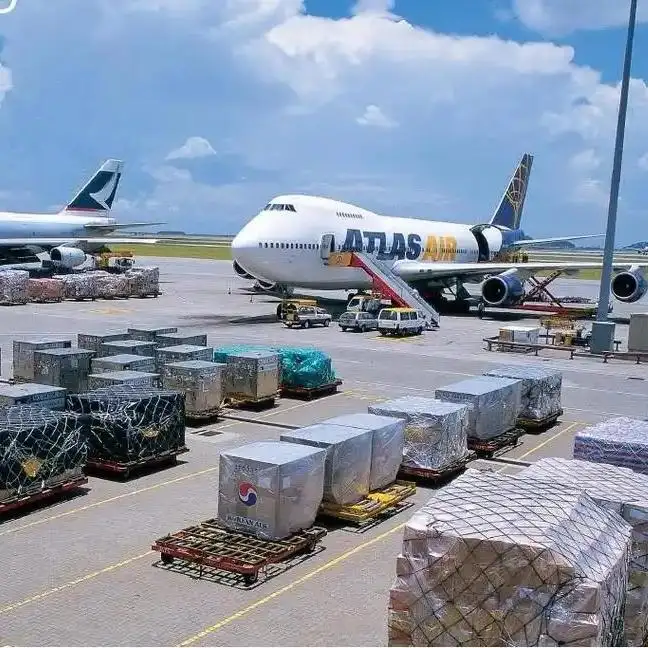
In today's rapidly evolving digital marketplace, businesses are discovering that success hinges not just on product quality or marketing prowess, but on the efficiency of their supply chain operations. Express freight logistics has emerged as the backbone of modern e-commerce, enabling companies to meet increasingly demanding customer expectations while maintaining competitive advantages. As online shopping continues to dominate consumer behavior, the ability to deliver products quickly and reliably has become a critical differentiator that can make or break an e-commerce venture.
The transformation of consumer expectations has fundamentally altered how businesses approach logistics and fulfillment. Modern customers expect not only fast delivery but also transparency, flexibility, and reliability throughout the shipping process. This shift has created unprecedented pressure on e-commerce companies to optimize their logistics operations, leading many to recognize that investing in robust express freight logistics systems is no longer optional but essential for sustainable growth and market competitiveness.
Understanding the Foundation of Express Freight Logistics
Core Components of Express Delivery Systems
Express freight logistics encompasses a sophisticated network of interconnected systems designed to move goods from point A to point B with maximum speed and efficiency. At its core, this system relies on advanced routing algorithms, strategically positioned distribution centers, and real-time tracking capabilities that work together to minimize transit times. The integration of these components creates a seamless flow of products that can adapt to changing demands and unexpected challenges in real-time.
The technological infrastructure supporting express freight logistics includes automated sorting facilities, GPS tracking systems, and predictive analytics that help optimize delivery routes and anticipate potential delays. These systems work continuously to process vast amounts of data, enabling logistics providers to make split-second decisions that can save hours or even days in delivery times. The sophistication of these operations has reached a level where packages can be rerouted mid-transit to accommodate changing delivery requirements or avoid potential obstacles.
Strategic Network Design and Hub Operations
The effectiveness of express freight logistics depends heavily on the strategic placement of distribution hubs and sorting facilities. These locations serve as critical nodes in the logistics network, where packages are processed, sorted, and redirected to their final destinations. The positioning of these hubs is determined by complex algorithms that consider factors such as population density, transportation infrastructure, and regional demand patterns.
Modern hub operations utilize automated systems that can process thousands of packages per hour, significantly reducing the time required for sorting and redistribution. These facilities operate around the clock, ensuring that packages continue moving toward their destinations even during off-peak hours. The efficiency of these operations directly impacts the overall speed of the express freight logistics network, making them crucial components in maintaining competitive delivery times.
Impact on E-Commerce Customer Experience
Meeting Modern Consumer Expectations
Today's e-commerce customers have been conditioned to expect rapid fulfillment and delivery, with many considering same-day or next-day delivery as standard service rather than premium options. This expectation has been shaped largely by major e-commerce platforms that have invested billions in express freight logistics infrastructure, setting new benchmarks for delivery speed across the industry. Companies that fail to meet these expectations often find themselves at a significant disadvantage in terms of customer satisfaction and retention.
The psychological impact of fast delivery extends beyond mere convenience, influencing purchasing decisions and brand loyalty in profound ways. Research indicates that customers are more likely to complete purchases when they know products will arrive quickly, and they're also more inclined to become repeat customers when their delivery expectations are consistently met or exceeded. This correlation between delivery speed and customer behavior has made express freight logistics a critical component of overall customer experience strategy.
Building Trust Through Reliability and Transparency
Express freight logistics systems provide customers with real-time visibility into their shipments, creating transparency that builds trust and reduces anxiety associated with online purchases. Advanced tracking systems allow customers to monitor their packages at every stage of the journey, from initial processing through final delivery. This level of transparency has become so expected that its absence can significantly impact customer satisfaction and trust in the brand.
The reliability of express freight logistics also plays a crucial role in reducing customer service inquiries and complaints. When customers can trust that their packages will arrive as promised, they're less likely to contact customer support for status updates or express concerns about delayed shipments. This reduction in customer service burden allows businesses to allocate resources more efficiently while maintaining high levels of customer satisfaction.
Competitive Advantages in the Digital Marketplace
Market Differentiation Through Speed
In highly competitive e-commerce markets, the speed of delivery often serves as a primary differentiator between brands offering similar products at comparable prices. Companies that can consistently deliver products faster than their competitors gain a significant advantage in attracting and retaining customers. This advantage is particularly pronounced in markets where product differentiation is minimal, making delivery speed one of the few ways to stand out from the competition.
The ability to offer rapid delivery also opens opportunities for businesses to capture impulse purchases and time-sensitive orders that might otherwise be lost to competitors. When customers need products urgently, they're often willing to pay premium prices for guaranteed fast delivery, creating additional revenue opportunities for businesses with robust express freight logistics capabilities. This pricing flexibility can significantly impact profit margins and overall business profitability.
Expanding Market Reach and Geographic Coverage
Express freight logistics enables e-commerce businesses to serve customers across broader geographic areas without compromising on delivery times. This expanded reach allows companies to tap into new markets and customer segments that were previously inaccessible due to logistical constraints. The ability to maintain consistent service levels across different regions is crucial for businesses looking to scale their operations nationally or internationally.
The geographic flexibility provided by express freight logistics also allows businesses to optimize their inventory distribution strategies. Companies can maintain smaller inventories in multiple locations rather than relying on a single large warehouse, reducing overall carrying costs while improving delivery times. This distributed approach to inventory management has become increasingly important as businesses seek to balance cost efficiency with customer service excellence.
Operational Efficiency and Cost Management
Streamlining Supply Chain Operations
Express freight logistics systems are designed to eliminate inefficiencies throughout the supply chain, from initial order processing to final delivery. These systems utilize advanced algorithms and machine learning technologies to optimize routing, consolidate shipments, and minimize handling times. The result is a more efficient overall operation that can handle higher volumes while maintaining or improving service quality.
The integration of express freight logistics with inventory management systems allows businesses to maintain optimal stock levels while reducing the risk of stockouts or overstock situations. Real-time visibility into shipping times and delivery schedules enables more accurate demand forecasting and inventory planning. This integration creates a more responsive and efficient supply chain that can adapt quickly to changing market conditions and customer demands.
Technology-Driven Cost Optimization
Modern express freight logistics leverages sophisticated technology to optimize costs while maintaining high service levels. Automated systems can analyze thousands of variables in real-time to determine the most cost-effective shipping methods and routes for each individual package. This level of optimization would be impossible to achieve manually and represents a significant advancement in logistics efficiency.
The use of predictive analytics in express freight logistics helps businesses anticipate and prepare for peak demand periods, seasonal fluctuations, and potential disruptions. By analyzing historical data and current trends, these systems can recommend adjustments to shipping strategies and resource allocation that minimize costs while maintaining service quality. This proactive approach to logistics management helps businesses avoid costly last-minute adjustments and service failures.
Technology Integration and Innovation
Artificial Intelligence and Machine Learning Applications
The integration of artificial intelligence and machine learning technologies has revolutionized express freight logistics, enabling systems to learn from past performance and continuously improve their efficiency. These technologies can analyze vast amounts of data to identify patterns and optimize routing decisions in ways that would be impossible for human operators to achieve. The result is a constantly evolving system that becomes more efficient over time.
Machine learning algorithms in express freight logistics can predict potential delays, identify optimal packaging methods, and even anticipate customer preferences for delivery times and locations. This predictive capability allows logistics providers to proactively address potential issues before they impact service quality. The continuous learning aspect of these systems ensures that they adapt to changing conditions and improve their performance with each transaction.
Internet of Things and Real-Time Monitoring
The Internet of Things has enabled unprecedented visibility and control over express freight logistics operations. Sensors embedded in vehicles, packages, and facilities provide real-time data on location, condition, and status throughout the shipping process. This information allows logistics providers to monitor their operations continuously and make immediate adjustments when necessary to maintain service quality.
Real-time monitoring capabilities also extend to environmental conditions, ensuring that sensitive products are maintained within appropriate temperature and humidity ranges during transit. This level of control is particularly important for e-commerce businesses dealing with perishable goods, pharmaceuticals, or other products that require specific handling conditions. The ability to monitor and adjust these conditions in real-time significantly reduces the risk of product damage or degradation during shipping.
Future Trends and Market Evolution
Sustainability and Environmental Considerations
The express freight logistics industry is increasingly focusing on sustainability initiatives to reduce environmental impact while maintaining service quality. This includes the development of electric delivery vehicles, optimization of routes to minimize fuel consumption, and implementation of carbon-neutral shipping options. E-commerce businesses are recognizing that environmental responsibility is becoming an important factor in customer purchasing decisions.
Green logistics initiatives in express freight logistics are also driving innovation in packaging materials and methods. Companies are developing biodegradable packaging options and optimizing package sizes to reduce waste and improve shipping efficiency. These efforts not only benefit the environment but can also result in cost savings through reduced material usage and improved packing efficiency.
Autonomous Vehicles and Drone Delivery
The future of express freight logistics will likely include increased use of autonomous vehicles and drone delivery systems for last-mile delivery. These technologies promise to further reduce delivery times and costs while providing more flexible delivery options for customers. Although still in development and testing phases, these innovations represent the next major evolution in logistics technology.
Autonomous delivery systems have the potential to operate around the clock without the constraints of human driver schedules, further accelerating delivery times and improving service availability. As these technologies mature and regulatory frameworks develop, they will likely become integral components of express freight logistics networks, particularly for urban deliveries and specialized applications.
FAQ
What makes express freight logistics different from standard shipping?
Express freight logistics prioritizes speed and reliability over cost, utilizing dedicated transportation networks, expedited processing systems, and premium routing to minimize delivery times. Unlike standard shipping, which may take several days or weeks, express services typically deliver within 24-48 hours and provide real-time tracking and guaranteed delivery commitments.
How does express freight logistics impact e-commerce conversion rates?
Studies show that offering fast delivery options can increase e-commerce conversion rates by 20-30% or more, as customers are more likely to complete purchases when they know products will arrive quickly. The availability of express shipping options also reduces cart abandonment rates and encourages impulse purchases, directly contributing to increased sales revenue.
What are the key challenges in implementing express freight logistics?
The main challenges include high infrastructure costs, complex coordination requirements, managing peak demand periods, and maintaining service quality across different geographic regions. Additionally, businesses must balance the cost of express services with pricing strategies that remain attractive to customers while preserving profit margins.
How can small e-commerce businesses benefit from express freight logistics?
Small businesses can leverage third-party express freight logistics providers to access sophisticated shipping networks without major capital investments. By partnering with established logistics companies, they can offer competitive delivery times and professional shipping services that rival those of larger competitors, helping level the playing field in the e-commerce marketplace.

