
 EN
EN
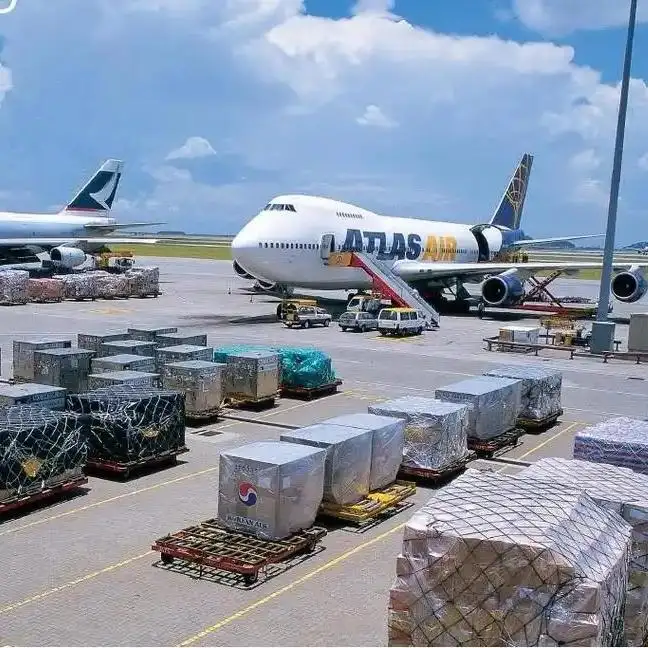
Modern businesses face unprecedented pressure to deliver products faster while maintaining cost-effectiveness and reliability. In today's interconnected global economy, companies must optimize their supply chain operations to remain competitive and meet evolving customer expectations. Air freight logistics has emerged as a critical component for organizations seeking to enhance their supply chain efficiency, offering speed advantages that traditional shipping methods cannot match. The strategic implementation of air cargo solutions enables businesses to reduce transit times, minimize inventory holding costs, and respond rapidly to market demands. Understanding how to leverage air freight logistics effectively can transform supply chain performance and create sustainable competitive advantages.
Strategic Advantages of Air Cargo Solutions
Speed and Time Sensitivity Benefits
Air freight logistics provides unmatched speed advantages that can revolutionize supply chain operations for time-sensitive shipments. Companies shipping perishable goods, high-value electronics, or urgent replacement parts benefit significantly from air cargo's rapid transit capabilities. While ocean freight may take weeks to complete international shipments, air transport can deliver goods across continents within days or even hours. This speed advantage enables businesses to maintain leaner inventory levels, reducing storage costs and minimizing the risk of obsolescence. Organizations can respond quickly to unexpected demand spikes, supply disruptions, or emergency situations without maintaining excessive safety stock.
The time-sensitive nature of modern commerce makes air freight logistics increasingly valuable for maintaining customer satisfaction and market responsiveness. Just-in-time manufacturing processes rely heavily on predictable and rapid delivery schedules that air cargo can provide. Companies can coordinate production schedules more precisely when they know components will arrive within specific timeframes. This reliability allows manufacturers to optimize their operations, reduce work-in-process inventory, and improve overall efficiency. Emergency shipments and critical spare parts delivery become feasible options when air freight logistics is integrated into supply chain planning.
Global Reach and Accessibility
Air freight logistics networks span virtually every corner of the globe, providing businesses with unprecedented access to international markets and suppliers. Major airports serve as distribution hubs that connect remote locations with global trade routes, enabling companies to source materials and reach customers in previously inaccessible markets. This extensive network coverage supports business expansion strategies and allows organizations to diversify their supplier base for improved risk management. Companies can establish relationships with suppliers in different geographic regions, reducing dependency on single sources and improving supply chain resilience.
The accessibility provided by air freight logistics enables companies to participate in global value chains more effectively. Small and medium-sized enterprises can compete with larger corporations by leveraging air cargo services to reach international customers quickly and reliably. This democratization of global trade opportunities levels the playing field and allows innovative companies to establish market presence regardless of their geographic location. Air freight logistics infrastructure continues expanding, with new routes and increased capacity providing even greater accessibility to emerging markets and specialized regional suppliers.
Cost-Effectiveness and Financial Optimization
Total Cost of Ownership Analysis
While air freight logistics typically involves higher transportation costs per unit compared to ocean or ground shipping, comprehensive total cost analysis often reveals significant financial benefits. Companies must evaluate the complete cost structure including inventory carrying costs, warehousing expenses, insurance premiums, and opportunity costs associated with longer transit times. Air freight's speed advantages can substantially reduce inventory investment requirements, freeing up working capital for other business activities. The faster inventory turnover enabled by air cargo solutions can improve cash flow cycles and return on investment metrics.
Risk mitigation costs represent another important factor in total cost calculations for air freight logistics implementation. Faster delivery times reduce exposure to currency fluctuations, political instability, and market volatility that can affect longer shipping cycles. Companies shipping high-value or time-sensitive products often find that air freight insurance costs are justified by reduced overall risk exposure. The ability to respond quickly to market changes and customer demands can generate revenue opportunities that offset higher transportation expenses. Strategic use of air freight logistics services can transform cost centers into profit drivers when properly integrated into business strategies.
Inventory Optimization Strategies
Air freight logistics enables sophisticated inventory optimization strategies that can dramatically improve working capital efficiency. Companies can implement lean inventory practices with confidence when they know critical supplies can be replenished quickly through air cargo services. This capability allows businesses to reduce safety stock levels while maintaining service quality and customer satisfaction. Strategic positioning of inventory at key air freight hubs can create responsive distribution networks that serve multiple markets efficiently. Regional distribution strategies become more viable when supported by reliable air freight logistics connections.
Seasonal demand fluctuations and promotional activities benefit significantly from air freight logistics flexibility. Companies can adjust inventory levels rapidly in response to market conditions without the long lead times associated with traditional shipping methods. This responsiveness enables better demand planning and reduces the risk of stockouts or excess inventory situations. Advanced inventory management systems integrated with air freight logistics capabilities provide real-time visibility and control over supply chain operations. Predictive analytics combined with air cargo flexibility allows companies to optimize inventory investments while maintaining high service levels.
Technology Integration and Digital Solutions
Real-Time Tracking and Visibility
Modern air freight logistics systems incorporate advanced tracking technologies that provide unprecedented visibility throughout the shipping process. Radio frequency identification tags, GPS tracking, and internet-of-things sensors enable real-time monitoring of shipment location, condition, and estimated arrival times. This transparency allows supply chain managers to make informed decisions, proactively address potential issues, and keep customers informed about delivery status. Integration with enterprise resource planning systems creates seamless information flow from order placement through final delivery confirmation.
Predictive analytics capabilities built into air freight logistics platforms help companies anticipate and prevent supply chain disruptions. Machine learning algorithms analyze historical shipping data, weather patterns, and operational factors to forecast potential delays or capacity constraints. This foresight enables proactive planning and alternative routing decisions that maintain delivery schedules. Automated notification systems alert stakeholders about status changes, allowing coordinated responses across supply chain partners. The transparency provided by advanced tracking systems builds trust with customers and supports premium service positioning.
Automation and Process Efficiency
Automation technologies integrated into air freight logistics operations significantly improve processing efficiency and reduce human error risks. Automated sorting systems, robotic handling equipment, and artificial intelligence-powered routing algorithms streamline cargo processing at airports and distribution centers. These technologies enable faster cargo handling, improved accuracy, and reduced labor costs. Digital documentation systems eliminate paper-based processes, reducing processing time and improving data accuracy throughout the shipping cycle.
Integration platforms connect air freight logistics systems with customer enterprise systems, enabling automated booking, scheduling, and invoicing processes. Application programming interfaces allow seamless data exchange between different software systems, reducing manual data entry and improving operational efficiency. Blockchain technology implementations in air freight logistics provide secure, transparent, and immutable transaction records that enhance trust and reduce fraud risks. Smart contracts can automate payment processing and service level compliance monitoring, further reducing administrative overhead and improving process efficiency.
Risk Management and Supply Chain Resilience
Contingency Planning and Flexibility
Air freight logistics provides essential flexibility for contingency planning and risk mitigation strategies. When supply chain disruptions occur due to natural disasters, political events, or infrastructure failures, air cargo services can provide alternative routing options that maintain supply continuity. The extensive global network of air freight services enables companies to quickly shift sourcing or distribution patterns in response to changing conditions. This adaptability is crucial for maintaining business operations during unexpected events that could otherwise cause significant disruptions.
Diversified transportation strategies that incorporate air freight logistics reduce dependency on single transportation modes or routes. Companies can maintain backup air cargo options for critical supplies while using more economical shipping methods for routine operations. This hybrid approach balances cost considerations with risk management objectives. Emergency response capabilities enabled by air freight logistics allow companies to address crisis situations quickly, whether responding to production equipment failures, quality issues, or sudden demand surges. The speed and reliability of air cargo services make them invaluable components of comprehensive business continuity planning.
Quality Control and Product Integrity
Air freight logistics offers superior protection for high-value and sensitive products that require controlled handling and environmental conditions. Climate-controlled cargo holds, specialized handling procedures, and reduced transit times minimize exposure to temperature variations, humidity changes, and physical damage risks. Pharmaceutical companies, electronics manufacturers, and precision equipment suppliers rely on air freight logistics to maintain product integrity throughout the shipping process. The reduced handling and shorter exposure times associated with air cargo significantly lower the probability of damage or contamination.
Traceability capabilities inherent in air freight logistics systems support quality management and regulatory compliance requirements. Detailed tracking records provide complete chain of custody documentation that can be essential for regulated industries or high-value shipments. Temperature monitoring, shock detection, and other sensor technologies can provide evidence of proper handling throughout the shipping process. This documentation capability supports quality assurance programs and can be crucial for insurance claims or customer satisfaction issues. The controlled environment and professional handling standards of air freight logistics contribute to higher delivery success rates and reduced claims costs.
Sustainability and Environmental Considerations
Carbon Footprint Optimization
While air freight logistics traditionally has higher carbon emissions per unit weight compared to other transportation modes, strategic implementation can contribute to overall supply chain sustainability goals. Consolidation of shipments, optimized routing algorithms, and newer fuel-efficient aircraft reduce the environmental impact per shipment. Companies can offset the higher transportation emissions through reduced inventory requirements, elimination of obsolete products, and improved demand forecasting accuracy enabled by air freight flexibility.
Sustainable air freight logistics practices include partnership with carriers that invest in modern, efficient aircraft and sustainable aviation fuel initiatives. Carbon offset programs and emission reporting capabilities help companies meet environmental responsibility goals while maintaining operational efficiency. The speed advantages of air freight can reduce total supply chain emissions when they eliminate the need for multiple warehouses, reduce packaging requirements, or prevent rush production with higher energy consumption. Life cycle analysis approaches help companies evaluate the complete environmental impact of their transportation choices.
Circular Economy Integration
Air freight logistics supports circular economy principles by enabling efficient reverse logistics operations for product returns, repairs, and recycling. The speed of air cargo services makes it economically viable to return high-value items for refurbishment or remanufacturing. Companies can establish global repair networks supported by air freight logistics that extend product lifecycles and reduce waste. Rapid movement of replacement parts through air cargo services supports repair-focused business models that prioritize product longevity over replacement.
Collaborative air freight logistics initiatives allow multiple companies to share cargo space and reduce per-unit environmental impact. Consolidated shipments and shared distribution networks improve efficiency while reducing total transportation requirements. Digital platforms that optimize cargo loading and route planning contribute to sustainability goals by maximizing aircraft utilization. Integration with renewable energy sources at airports and cargo facilities further reduces the environmental footprint of air freight logistics operations.
FAQ
What are the primary cost factors to consider when implementing air freight logistics?
The primary cost factors include transportation rates, fuel surcharges, handling fees, customs clearance costs, and insurance premiums. However, companies should also evaluate total cost implications including reduced inventory carrying costs, improved cash flow from faster turnover, and potential revenue gains from improved customer service. Working capital savings and risk reduction benefits often offset higher transportation expenses when properly calculated.
How can small businesses leverage air freight logistics effectively?
Small businesses can access air freight logistics through freight forwarders and consolidation services that aggregate shipments to achieve better rates. Focusing on high-value, time-sensitive, or lightweight products maximizes the value proposition of air cargo services. Strategic partnerships with logistics providers and careful route planning can make air freight economically viable for smaller shipment volumes.
What technology integrations are essential for optimizing air freight logistics operations?
Essential technology integrations include real-time tracking systems, automated booking platforms, inventory management system connections, and predictive analytics capabilities. Cloud-based logistics platforms provide scalable solutions that integrate with existing business systems. Mobile applications and digital documentation systems improve operational efficiency and provide better visibility throughout the shipping process.
How does air freight logistics contribute to supply chain resilience?
Air freight logistics enhances supply chain resilience by providing rapid response capabilities during disruptions, offering alternative routing options when traditional channels fail, and enabling quick adjustments to changing market conditions. The global network coverage and speed advantages allow companies to maintain operations during emergencies and respond quickly to unexpected events that could otherwise cause significant business disruptions.
Table of Contents
- Strategic Advantages of Air Cargo Solutions
- Cost-Effectiveness and Financial Optimization
- Technology Integration and Digital Solutions
- Risk Management and Supply Chain Resilience
- Sustainability and Environmental Considerations
-
FAQ
- What are the primary cost factors to consider when implementing air freight logistics?
- How can small businesses leverage air freight logistics effectively?
- What technology integrations are essential for optimizing air freight logistics operations?
- How does air freight logistics contribute to supply chain resilience?

