
 EN
EN
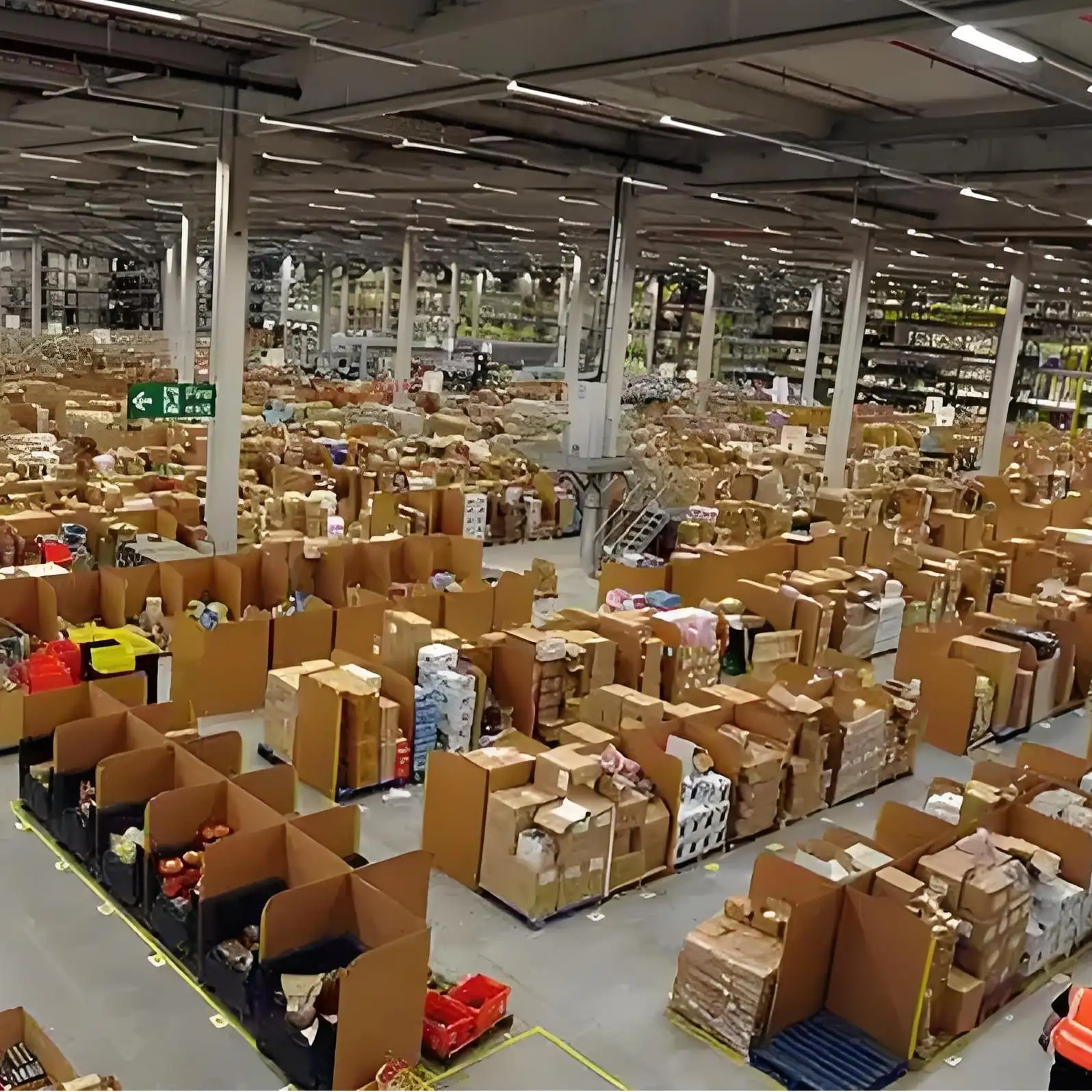
The modern logistics business landscape has evolved dramatically over the past decade, transforming from a traditional transportation-focused industry into a sophisticated ecosystem of interconnected services and technologies. Companies operating in the logistics business today face unprecedented challenges and opportunities, requiring strategic thinking and innovative approaches to maintain competitive advantages. As global trade volumes continue to expand and customer expectations rise, successful logistics business operators must develop comprehensive strategies that address operational efficiency, technological integration, and sustainable growth initiatives.
The foundation of any successful logistics business strategy rests on understanding market dynamics, customer needs, and operational capabilities. Industry leaders recognize that sustainable growth requires more than just moving goods from point A to point B. Modern logistics business models encompass supply chain optimization, inventory management, warehousing solutions, and value-added services that create meaningful differentiation in competitive markets. Organizations that thrive in this environment demonstrate agility in adapting to changing market conditions while maintaining operational excellence across all service offerings.
Technology Integration and Digital Transformation
Advanced Analytics and Data-Driven Decision Making
Successful logistics business organizations leverage advanced analytics platforms to transform raw operational data into actionable insights. These systems enable real-time visibility into supply chain performance, identifying bottlenecks and optimization opportunities that drive efficiency improvements. Companies implementing comprehensive analytics solutions report significant reductions in operational costs and enhanced customer satisfaction scores. The integration of predictive analytics allows logistics business operators to anticipate demand fluctuations and adjust capacity accordingly, minimizing waste while maximizing service levels.
Machine learning algorithms and artificial intelligence technologies are revolutionizing how logistics business companies approach route optimization, inventory forecasting, and resource allocation. These tools analyze historical patterns, weather conditions, traffic data, and customer preferences to generate optimized solutions that human planners might overlook. Organizations investing in these capabilities often achieve substantial improvements in delivery performance and cost reduction, creating sustainable competitive advantages in increasingly crowded markets.
Automation and Robotics Implementation
The strategic implementation of automation technologies represents a critical growth driver for forward-thinking logistics business entities. Warehouse automation systems, including robotic picking solutions and automated sorting equipment, dramatically improve throughput while reducing labor costs and error rates. Companies deploying these technologies report increased accuracy in order fulfillment and faster processing times, leading to enhanced customer experiences and operational efficiency gains.
Beyond warehouse applications, automation extends to transportation management, fleet optimization, and last-mile delivery solutions. Autonomous vehicle technologies and drone delivery systems are emerging as game-changing innovations for logistics business operators seeking to reduce delivery costs and improve service reliability. Early adopters of these technologies position themselves advantageously for long-term market leadership as automation becomes increasingly mainstream across the industry.
Strategic Partnerships and Network Expansion
Building Collaborative Ecosystems
Developing strategic partnerships represents a fundamental growth strategy for logistics business organizations seeking to expand their geographic reach and service capabilities without significant capital investments. Collaborative relationships with complementary service providers, technology vendors, and regional partners enable companies to offer comprehensive solutions while sharing risks and resources. These partnerships often result in improved service quality, expanded market access, and enhanced operational flexibility that individual companies cannot achieve independently.
The most successful logistics business partnerships focus on creating mutual value through shared expertise, technology platforms, and customer relationships. Companies that excel at partnership development typically establish clear governance structures, performance metrics, and communication protocols that ensure alignment and accountability. These collaborative approaches often lead to innovative service offerings and market opportunities that strengthen competitive positioning for all participating organizations.
Geographic Market Expansion Strategies
Strategic geographic expansion requires careful market analysis, regulatory compliance understanding, and cultural sensitivity for logistics business operators entering new territories. Successful expansion strategies typically involve phased approaches that begin with market research and pilot programs before committing significant resources to full-scale operations. Companies that achieve sustainable international growth often establish local partnerships or acquire regional players with established customer relationships and operational expertise.
Risk management becomes particularly critical during geographic expansion, as logistics business companies must navigate varying regulatory environments, infrastructure limitations, and competitive landscapes. Organizations that develop comprehensive risk assessment frameworks and contingency planning processes typically experience smoother market entries and faster achievement of profitability targets in new territories.
Customer-Centric Service Innovation
Customized Solution Development
The evolution toward customer-centric service models has transformed how logistics business companies approach solution development and delivery. Modern customers demand tailored services that address their specific operational requirements, industry constraints, and performance expectations. Successful logistics business providers invest in understanding their customers' business models, challenges, and growth objectives to develop customized solutions that create meaningful value beyond basic transportation services.
Value-added services such as packaging, assembly, quality control, and inventory management enable logistics business companies to deepen customer relationships and increase revenue per customer. These services often command premium pricing while creating switching costs that enhance customer retention rates. Organizations that excel at solution customization typically develop modular service offerings that can be configured to meet diverse customer requirements while maintaining operational efficiency.
Enhanced Visibility and Communication Platforms
Real-time visibility into shipment status, inventory levels, and delivery schedules has become a baseline expectation for logistics business customers across all industries. Companies that invest in comprehensive tracking and communication platforms often differentiate themselves through superior customer experiences and proactive issue resolution capabilities. These systems enable customers to make informed decisions about their own operations while reducing the burden on customer service teams.
Advanced communication platforms integrate multiple channels including mobile applications, web portals, and automated notifications to keep customers informed throughout the service delivery process. Logistics business organizations implementing these capabilities often report improved customer satisfaction scores and reduced inquiry volumes, allowing resources to be redirected toward value-creating activities and business development initiatives.
Operational Excellence and Efficiency Optimization
Process Standardization and Continuous Improvement
Achieving operational excellence requires logistics business companies to implement standardized processes that ensure consistent service quality while enabling scalable growth. Process standardization efforts typically focus on critical operational areas including order management, warehouse operations, transportation planning, and customer service protocols. Organizations that successfully standardize operations often achieve significant improvements in efficiency, quality, and employee productivity while reducing training requirements and operational complexity.
Continuous improvement methodologies such as Lean Six Sigma provide structured approaches for identifying and eliminating waste throughout logistics business operations. Companies implementing these frameworks typically establish performance measurement systems, employee engagement programs, and systematic problem-solving processes that drive ongoing operational enhancements. The cumulative impact of continuous improvement initiatives often results in substantial cost reductions and service quality improvements over time.
Resource Optimization and Asset Utilization
Maximizing asset utilization represents a critical success factor for logistics business profitability, particularly given the capital-intensive nature of transportation equipment and warehouse facilities. Effective resource optimization strategies encompass fleet management, warehouse space utilization, and workforce productivity enhancement initiatives. Companies that excel at asset optimization typically implement sophisticated planning systems that balance capacity availability with demand variability to minimize idle resources while maintaining service commitments.
Dynamic resource allocation capabilities enable logistics business operators to respond quickly to changing demand patterns and unexpected disruptions. Organizations implementing flexible resource management systems often achieve higher asset utilization rates and improved return on investment metrics compared to companies relying on static capacity planning approaches. These capabilities become increasingly valuable as market volatility and customer expectations continue to evolve.
Sustainability and Environmental Responsibility
Green Logistics Initiatives
Environmental sustainability has emerged as both a competitive differentiator and operational imperative for logistics business companies worldwide. Green logistics initiatives encompass fuel efficiency improvements, alternative energy adoption, packaging optimization, and carbon footprint reduction strategies. Organizations implementing comprehensive sustainability programs often discover that environmental benefits align with operational cost reductions, creating win-win scenarios for business performance and environmental stewardship.
Route optimization technologies, fuel-efficient vehicles, and consolidated shipment strategies contribute significantly to reducing environmental impact while improving operational efficiency. Logistics business companies that prioritize sustainability often attract environmentally conscious customers and employees while potentially accessing green financing options and regulatory incentives. These initiatives typically require initial investments but generate long-term benefits through reduced operating costs and enhanced brand reputation.
Circular Economy Integration
The transition toward circular economy principles creates new opportunities for logistics business innovation and value creation. Reverse logistics capabilities, packaging return programs, and waste reduction initiatives enable companies to participate in closed-loop supply chains that minimize environmental impact. Organizations developing circular economy capabilities often discover new revenue streams while strengthening customer relationships through shared sustainability objectives.
Collaborative approaches to circular economy implementation involve partnerships with manufacturers, retailers, and recycling organizations to create efficient material flow systems. Logistics business companies that position themselves as enablers of circular economy initiatives often gain first-mover advantages in emerging markets while contributing to broader sustainability goals across industries and regions.
FAQ
What are the most critical technology investments for logistics business growth?
The most impactful technology investments for logistics business growth include transportation management systems, warehouse management platforms, and real-time tracking capabilities. Advanced analytics and artificial intelligence tools provide significant value through optimized routing, demand forecasting, and predictive maintenance. Cloud-based platforms enable scalability and integration while reducing infrastructure costs. Companies should prioritize technologies that improve customer visibility, operational efficiency, and data-driven decision making capabilities.
How can small logistics companies compete with larger industry players?
Small logistics business operators can compete effectively by focusing on specialized services, niche markets, and superior customer relationships. Technology adoption levels the playing field by providing access to sophisticated tools previously available only to large corporations. Strategic partnerships enable small companies to offer comprehensive services without significant capital investments. Agility and flexibility often allow smaller operators to respond more quickly to customer needs and market changes than larger competitors with complex organizational structures.
What role does data analytics play in logistics business optimization?
Data analytics serves as the foundation for logistics business optimization by providing insights into performance patterns, customer behavior, and operational efficiency opportunities. Predictive analytics enables proactive decision making regarding capacity planning, maintenance scheduling, and demand forecasting. Real-time analytics support dynamic routing adjustments, inventory optimization, and exception management. Companies leveraging comprehensive analytics platforms typically achieve significant improvements in cost reduction, service quality, and customer satisfaction metrics.
How important is sustainability in modern logistics business strategy?
Sustainability has become increasingly critical for logistics business success as customers, regulators, and investors prioritize environmental responsibility. Sustainable practices often align with cost reduction opportunities through fuel efficiency, waste minimization, and resource optimization initiatives. Green logistics capabilities can serve as competitive differentiators and access requirements for certain customer segments. Companies integrating sustainability into core business strategies often achieve improved operational performance while contributing to broader environmental objectives and social responsibility goals.

