
 EN
EN
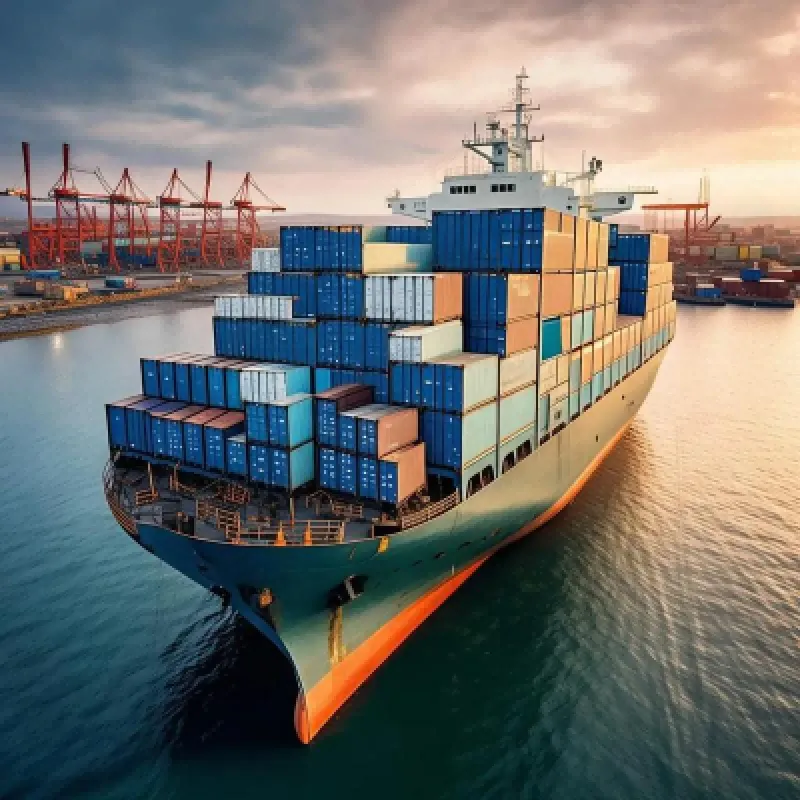
International commerce has transformed the global marketplace, with millions of businesses relying on efficient logistics networks to move products across continents. When it comes to sourcing products internationally, shipping from china represents one of the most critical supply chain decisions that companies face today. The reliability of your chosen delivery method directly impacts customer satisfaction, inventory management, and overall business profitability. Understanding the various shipping options, their advantages, limitations, and optimal use cases enables businesses to make informed decisions that align with their operational requirements and budget constraints.
Express Courier Services for Time-Critical Shipments
Premium International Express Options
Express courier services represent the pinnacle of speed and reliability in international logistics, particularly for businesses requiring guaranteed delivery timeframes. Major carriers like DHL, FedEx, and UPS dominate this segment, offering comprehensive door-to-door services with tracking capabilities and insurance options. These services typically deliver packages within 2-5 business days globally, making them ideal for urgent shipments, high-value items, or time-sensitive business documents. The premium pricing reflects the extensive infrastructure, priority handling, and dedicated flight capacity that these carriers maintain across their global networks.
The reliability of express services stems from their integrated logistics systems, which include real-time tracking, customs clearance facilitation, and multiple delivery attempt protocols. For businesses engaged in shipping from china, express services provide predictable transit times that enable accurate inventory planning and customer communication. However, the cost per kilogram can be significantly higher compared to other shipping methods, making express services most suitable for smaller packages or situations where speed justifies the premium pricing structure.
Regional Express Alternatives
Regional express carriers often provide competitive alternatives to global brands, particularly for specific trade corridors between China and destination markets. These carriers leverage their local market knowledge and established networks to offer competitive pricing while maintaining reliable service standards. Companies like SF Express, YTO Express, and other Asian logistics providers have expanded their international capabilities, creating viable options for businesses seeking express delivery without the premium associated with established global brands.
The advantage of regional carriers lies in their understanding of local customs procedures, language capabilities, and established relationships with ground handlers at destination ports. This local expertise can translate into smoother customs clearance processes and reduced delays, particularly important when shipping from china to specific regional markets. Businesses should evaluate regional carriers based on their track record, service coverage in target markets, and ability to provide consistent service quality across their network.
Ocean Freight Solutions for Volume Shipments
Full Container Load Services
Ocean freight represents the backbone of international trade, handling the vast majority of goods shipped between China and global markets. Full Container Load (FCL) services provide dedicated container space for individual shipments, offering maximum security, faster port processing, and reduced handling risks. FCL shipments typically utilize 20-foot or 40-foot containers, with high-cube options available for voluminous but lightweight cargo. The reliability of FCL services depends heavily on carrier selection, route optimization, and seasonal demand patterns that can affect sailing schedules.
Major shipping lines like COSCO, Maersk, and Evergreen operate comprehensive networks connecting Chinese ports to destinations worldwide. When evaluating FCL options for shipping from china, businesses must consider factors beyond just pricing, including carrier reliability ratings, equipment availability, and service frequency on specific trade lanes. The predictability of FCL services has improved significantly with digital tracking systems and proactive communication protocols that keep shippers informed about potential delays or schedule changes.
Less than Container Load Consolidation
Less than Container Load (LCL) services enable smaller shipments to access ocean freight economics through cargo consolidation. LCL providers collect multiple shipments at origin, consolidate them into full containers, and then deconsolidate at destination ports for individual delivery. This service model makes ocean freight accessible to businesses with smaller volume requirements while maintaining reasonable transit times and competitive pricing structures.
The reliability of LCL services depends on consolidation schedules, deconsolidation efficiency, and the quality of cargo handling procedures. Reputable LCL providers maintain regular consolidation schedules from major Chinese ports, ensuring consistent departure frequencies even for smaller shippers. When selecting LCL services for shipping from china, businesses should prioritize providers with established networks, proper cargo handling facilities, and comprehensive insurance coverage to protect against potential damage during the multiple handling stages inherent in consolidated shipments.
Air Cargo Networks for Balanced Speed and Cost
Scheduled Airline Cargo Services
Air cargo services bridge the gap between express courier speed and ocean freight economics, typically delivering shipments within 5-10 days at costs significantly lower than express options. Scheduled airlines operate regular cargo flights and utilize belly space on passenger aircraft to move freight between major airports worldwide. This service category particularly appeals to businesses requiring faster transit than ocean freight but without the premium costs associated with express delivery services.
Major airports in China, including Shanghai Pudong, Beijing Capital, and Guangzhou Baiyun, serve as significant air cargo hubs with extensive flight networks reaching global destinations. The reliability of airline cargo services has improved through better capacity management, improved ground handling procedures, and enhanced tracking systems. For businesses focusing on shipping from china via air cargo, success factors include proper packaging for air transport, accurate documentation, and selection of routes with adequate capacity and frequency to meet delivery requirements.
Charter and Dedicated Air Services
Charter air services provide ultimate flexibility for urgent, oversized, or specialized cargo requirements that cannot be accommodated through scheduled airline services. Charter operators can customize flight schedules, aircraft selection, and routing to meet specific customer requirements, albeit at premium pricing levels. This service category proves invaluable for project cargo, automotive shipments, or urgent manufacturing equipment that requires immediate transportation.
The reliability of charter services depends on operator credentials, aircraft availability, and regulatory approvals for specific routes and cargo types. When evaluating charter options for specialized shipping from china requirements, businesses should verify operator certifications, insurance coverage, and experience with similar cargo types. Charter services require careful coordination of ground handling, customs clearance, and delivery arrangements to maximize the speed advantages while ensuring proper cargo protection throughout the transportation process.
Multimodal Transportation Strategies
Rail and Truck Integration
The development of rail corridors connecting China to Europe and Central Asia has created new multimodal transportation options that combine the speed advantages of rail with the cost benefits of surface transportation. The China-Europe Railway Express, also known as the New Silk Road, provides regular rail services with transit times typically ranging from 12-18 days, positioning rail transport between air and ocean freight in both speed and cost characteristics.
Rail services integrated with truck transportation create door-to-door solutions that can compete effectively with air cargo for certain trade lanes and cargo types. The reliability of these multimodal solutions depends on coordination between different transportation modes, customs procedures at border crossings, and infrastructure capacity along the routes. Businesses considering rail options for shipping from china should evaluate service providers based on their ability to manage the entire transportation chain, including first-mile and last-mile truck connections that complete the door-to-door service.
Intermodal Container Systems
Intermodal transportation leverages standardized container systems to enable seamless transfers between ships, trains, and trucks without unpacking cargo. This approach maximizes the efficiency of each transportation mode while minimizing handling risks and transfer delays. Modern intermodal systems utilize advanced tracking technology and coordinated scheduling to maintain visibility and predictability throughout the transportation process.
The success of intermodal solutions requires careful route planning, mode selection, and provider coordination to optimize transit times and costs. For businesses engaged in shipping from china, intermodal options can provide cost-effective alternatives to single-mode transportation, particularly for inland destinations where ocean freight requires additional overland transportation. Service providers specializing in intermodal solutions typically offer comprehensive logistics management, handling the complexity of coordinating multiple transportation modes while maintaining shipment visibility and customer communication.
Digital Logistics Platforms and Technology Integration
Online Freight Booking Systems
Digital logistics platforms have revolutionized freight booking and management, providing businesses with instant access to capacity, pricing, and service options across multiple carriers and service types. These platforms aggregate services from various providers, enabling comparative analysis and streamlined booking processes that previously required extensive manual coordination with individual carriers and freight forwarders.
Modern freight booking platforms integrate real-time capacity information, automated documentation generation, and tracking capabilities that enhance the overall shipping experience. For businesses focused on shipping from china, digital platforms provide access to competitive pricing, service comparisons, and booking flexibility that can significantly improve supply chain efficiency. The reliability of digital platforms depends on their integration with carrier systems, accuracy of information provided, and quality of customer support available when issues arise.
Supply Chain Visibility Technologies
Advanced tracking and visibility technologies enable real-time monitoring of shipments throughout the transportation process, providing businesses with accurate delivery predictions and proactive exception management. GPS tracking, IoT sensors, and blockchain technologies are increasingly integrated into logistics services, creating comprehensive visibility solutions that enhance supply chain predictability and customer service capabilities.
The implementation of visibility technologies varies significantly among service providers, with leading carriers and logistics companies investing heavily in digital capabilities to differentiate their services. When selecting providers for shipping from china, businesses should evaluate the quality and comprehensiveness of tracking information provided, integration capabilities with internal systems, and the provider's commitment to technological advancement that enhances service reliability and customer experience.
Customs and Regulatory Compliance Considerations
Documentation and Clearance Procedures
Proper documentation and customs compliance represent critical factors in shipping reliability, as regulatory issues can cause significant delays and additional costs. Different shipping methods have varying documentation requirements, with express services typically offering comprehensive customs clearance support, while ocean and air freight may require more extensive shipper involvement in preparing commercial invoices, packing lists, and certificates of origin.
Understanding destination country import regulations, duty structures, and documentation requirements is essential for reliable shipping from china operations. Service providers with strong customs expertise can significantly reduce the risk of delays and ensure compliance with evolving regulatory requirements. Businesses should prioritize providers that offer comprehensive customs support, maintain current knowledge of regulatory changes, and provide clear guidance on documentation requirements for different destination markets.
Trade Compliance and Risk Management
International trade compliance extends beyond basic customs clearance to include considerations of trade agreements, duty optimization, and regulatory compliance programs. Advanced logistics providers offer trade compliance consulting services that help businesses navigate complex regulatory environments while optimizing duty and tax obligations through proper classification and origin determination.
Risk management in international shipping encompasses cargo insurance, regulatory compliance, and contingency planning for potential disruptions. Reliable service providers maintain comprehensive insurance programs, offer risk assessment services, and develop contingency plans that minimize the impact of potential disruptions on customer supply chains. When evaluating options for shipping from china, businesses should consider providers' risk management capabilities, insurance coverage options, and track record in handling exceptional situations that test service reliability.
FAQ
What factors determine the most reliable shipping method for my specific needs?
The most reliable shipping method depends on your specific requirements including shipment size, urgency, budget constraints, and destination characteristics. Express services offer the highest reliability for time-critical shipments under 100kg, while ocean freight provides excellent reliability for larger volumes with longer lead times. Consider your inventory cycles, customer expectations, and cost tolerance when selecting the optimal service level. Air cargo serves as an effective middle ground for medium-sized shipments requiring faster delivery than ocean freight but without express pricing.
How can I ensure consistent service quality when shipping from China throughout the year?
Maintaining consistent service quality requires understanding seasonal patterns, establishing relationships with multiple service providers, and implementing proactive communication protocols. Chinese New Year, Golden Week holidays, and peak shipping seasons can significantly impact service availability and performance. Work with providers who offer clear communication about potential disruptions, maintain adequate capacity reserves, and provide alternative solutions when primary routing options experience delays. Diversifying your provider base and maintaining flexibility in shipping methods helps ensure consistent service quality.
What role does cargo insurance play in ensuring reliable international deliveries?
Cargo insurance provides financial protection against loss or damage during transportation, contributing to overall supply chain reliability by transferring risk to insurance carriers. Different shipping methods have varying liability limitations, making additional insurance coverage essential for valuable shipments. Marine cargo insurance, air cargo insurance, and comprehensive logistics insurance provide different coverage levels and should be selected based on cargo value, transportation modes used, and acceptable risk levels. Quality insurance coverage includes protection against carrier liability limitations and covers additional expenses resulting from delays or damages.
How do digital technologies improve shipping reliability for China-origin shipments?
Digital technologies enhance shipping reliability through real-time tracking, predictive analytics, automated exception management, and improved communication systems. Modern logistics platforms provide visibility into shipment status, proactive notifications about potential delays, and automated rebooking capabilities when disruptions occur. AI-powered systems analyze historical performance data to predict potential issues and recommend optimal routing solutions. Blockchain technology ensures documentation integrity and reduces customs clearance delays, while IoT sensors monitor cargo conditions throughout the transportation process, enabling proactive intervention when environmental conditions threaten cargo quality.
Table of Contents
- Express Courier Services for Time-Critical Shipments
- Ocean Freight Solutions for Volume Shipments
- Air Cargo Networks for Balanced Speed and Cost
- Multimodal Transportation Strategies
- Digital Logistics Platforms and Technology Integration
- Customs and Regulatory Compliance Considerations
-
FAQ
- What factors determine the most reliable shipping method for my specific needs?
- How can I ensure consistent service quality when shipping from China throughout the year?
- What role does cargo insurance play in ensuring reliable international deliveries?
- How do digital technologies improve shipping reliability for China-origin shipments?

