
 EN
EN
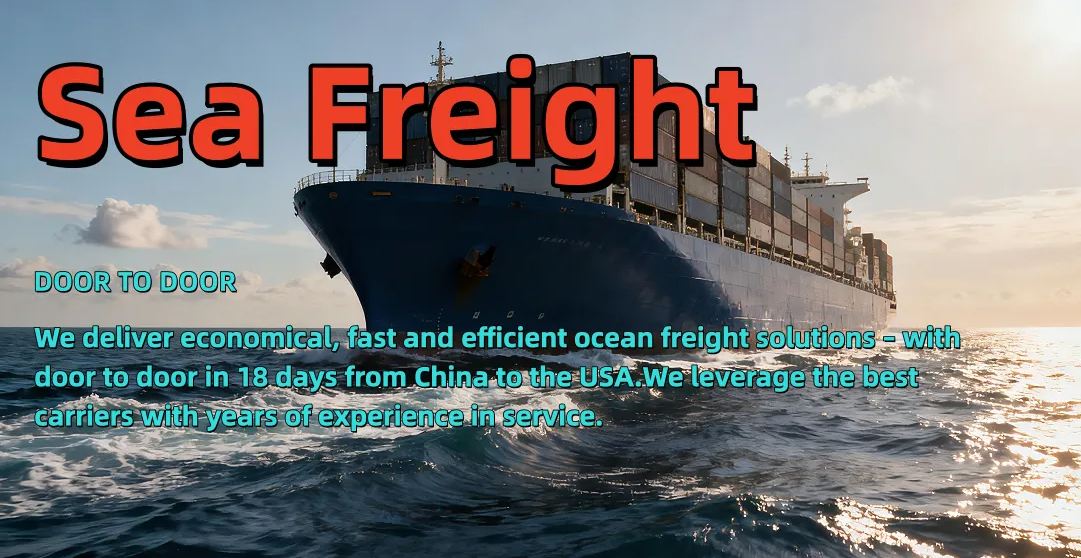
Global trade relies heavily on secure cargo transportation, and China shipping companies have established themselves as industry leaders in ensuring freight safety during international transit. These companies employ sophisticated security protocols, advanced tracking technologies, and comprehensive risk management strategies to protect valuable cargo from origin to destination. With China handling over 25% of global container traffic, the nation's maritime logistics providers have developed robust systems that set international standards for cargo protection and operational excellence.
Advanced Security Infrastructure and Physical Protection Measures
State-of-the-Art Container Security Systems
Modern China shipping companies implement multi-layered container security systems that begin at the loading dock and continue throughout the entire voyage. These systems include tamper-evident seals, electronic locking mechanisms, and GPS-enabled security devices that monitor container integrity in real-time. Each container undergoes thorough inspection using advanced scanning technology to detect potential security threats or unauthorized access attempts.
The physical security infrastructure extends beyond individual containers to encompass entire vessel protection protocols. Ships operated by leading Chinese maritime companies feature restricted access zones, 24-hour surveillance systems, and trained security personnel who monitor cargo areas continuously. These measures ensure that valuable freight remains protected from theft, damage, or unauthorized handling during transit.
Port Security and Terminal Protection
Chinese ports maintain some of the world's most stringent security standards, working closely with shipping companies to create secure cargo handling environments. Terminal facilities employ biometric access controls, perimeter fencing, and comprehensive CCTV networks that monitor all cargo movements. Security personnel undergo regular training to identify potential threats and respond effectively to any suspicious activities.
The integration between port security and shipping company protocols creates a seamless protective barrier around cargo operations. From the moment containers enter port facilities until they depart on vessels, multiple security checkpoints and verification procedures ensure cargo integrity. This coordinated approach significantly reduces the risk of cargo interference or security breaches during the critical loading and unloading phases.
Technology-Driven Monitoring and Tracking Solutions
Real-Time GPS and IoT Tracking Systems
China shipping companies leverage cutting-edge Internet of Things technology to provide continuous cargo monitoring throughout transit journeys. Advanced GPS tracking devices installed on containers transmit location data, temperature readings, humidity levels, and movement patterns to centralized monitoring centers. This technology enables immediate detection of any anomalies that might indicate security concerns or environmental threats to sensitive cargo.
The implementation of smart sensors and IoT devices allows for predictive maintenance and proactive risk management. These systems can detect changes in container conditions that might compromise cargo safety, such as temperature fluctuations for refrigerated goods or unexpected movement patterns that could indicate tampering attempts. Real-time alerts enable rapid response to potential issues before they escalate into significant problems.
Blockchain Technology for Supply Chain Transparency
Leading China shipping companies are increasingly adopting blockchain technology to create immutable records of cargo handling and transit activities. This technology provides transparent documentation of every step in the shipping process, from initial loading to final delivery. Blockchain systems eliminate the possibility of document tampering and create trusted verification trails that enhance overall cargo security.
The distributed ledger technology enables all stakeholders in the supply chain to access verified information about cargo status and handling procedures. This transparency reduces the risk of fraud, improves accountability among service providers, and creates additional layers of security through decentralized verification processes. Smart contracts embedded in blockchain systems can automatically trigger security protocols when predetermined conditions are met.
Comprehensive Risk Assessment and Management Protocols
Weather and Environmental Risk Mitigation
Chinese maritime logistics providers employ sophisticated weather forecasting and route optimization systems to minimize environmental risks during cargo transport. Advanced meteorological analysis helps shipping companies identify potential storm systems, rough sea conditions, or other weather-related hazards that could threaten cargo safety. Route planning algorithms consider these factors to select the safest possible transit paths.
Climate-controlled cargo handling represents another critical aspect of environmental protection protocols. Specialized containers equipped with temperature and humidity control systems ensure that sensitive goods maintain optimal conditions throughout their journey. Regular monitoring and automatic adjustment systems respond to environmental changes, protecting valuable cargo from damage caused by extreme temperatures or moisture exposure.
Security Threat Assessment and Response Procedures
China shipping companies maintain dedicated security teams that continuously assess potential threats along shipping routes and at destination ports. These teams analyze geopolitical situations, piracy risks, and other security concerns to develop appropriate protective measures for each voyage. Comprehensive threat assessments inform decisions about routing, security equipment deployment, and crew training requirements.
Emergency response procedures are regularly updated and practiced to ensure effective handling of security incidents. Crew members receive specialized training in security protocols, communication procedures, and emergency response techniques. Coordination with international maritime security organizations and naval forces provides additional protection in high-risk areas, ensuring cargo safety even in challenging operational environments.
Quality Assurance and Compliance Standards
International Certification and Regulatory Compliance
Major China shipping companies maintain rigorous compliance with international maritime safety standards, including International Maritime Organization regulations and various national security requirements. These certifications demonstrate commitment to cargo protection and provide customers with confidence in service reliability. Regular audits and inspections ensure ongoing compliance with evolving safety standards and regulatory requirements.
The implementation of quality management systems based on ISO standards creates standardized procedures for cargo handling and security protocols. These systems establish clear accountability measures, regular performance monitoring, and continuous improvement processes that enhance overall cargo protection capabilities. Documentation requirements ensure that all security measures are properly recorded and verified.
Staff Training and Professional Development
Comprehensive training programs for maritime personnel cover all aspects of cargo security, from proper handling techniques to emergency response procedures. China shipping companies invest heavily in crew education, ensuring that all staff members understand their roles in maintaining cargo safety throughout transit operations. Regular refresher training and skills assessment programs maintain high performance standards.
Specialized security training addresses specific threats and protection measures relevant to different types of cargo and shipping routes. Personnel learn to identify potential security risks, implement appropriate countermeasures, and coordinate with security agencies when necessary. This human element of cargo protection complements technological solutions to create comprehensive safety networks.
Insurance Coverage and Financial Protection Mechanisms
Comprehensive Marine Insurance Programs
China shipping companies work closely with leading marine insurance providers to offer comprehensive coverage options that protect cargo value throughout transit. These insurance programs cover various risks including theft, damage, loss, and delays, providing financial protection for customers shipping valuable goods. Customized insurance solutions address specific cargo types and risk profiles to ensure appropriate coverage levels.
The integration of insurance services with shipping operations streamlines the protection process for customers while ensuring that all parties understand their responsibilities and coverage limitations. Professional risk assessment helps determine appropriate insurance levels based on cargo value, destination risks, and transit duration. This comprehensive approach provides peace of mind for businesses relying on international shipping services.
Liability Management and Claims Processing
Efficient claims processing procedures ensure rapid resolution of any cargo safety incidents that may occur during transit. China shipping companies maintain dedicated claims departments staffed with experienced professionals who understand international maritime law and insurance regulations. Clear documentation procedures and evidence preservation protocols support effective claims resolution.
Proactive liability management includes regular review of safety procedures, equipment maintenance schedules, and staff performance to minimize the likelihood of incidents that could compromise cargo safety. Investment in prevention measures often proves more effective than reactive responses to problems, creating better outcomes for both shipping companies and their customers.
FAQ
What specific technologies do China shipping companies use to track cargo during transit
China shipping companies employ a combination of GPS tracking devices, IoT sensors, blockchain technology, and satellite communication systems to monitor cargo throughout transit. These technologies provide real-time location updates, environmental condition monitoring, and tamper detection capabilities. Advanced analytics platforms process this data to identify potential risks and trigger automatic alerts when anomalies are detected, ensuring comprehensive cargo protection.
How do Chinese maritime companies handle security in high-risk shipping areas
In high-risk areas, China shipping companies implement enhanced security protocols including armed security teams, coordination with naval escort services, and modified routing strategies. Vessels may travel in convoys, maintain communication with maritime security forces, and employ additional surveillance equipment. Risk assessment teams continuously monitor threat levels and adjust security measures accordingly to ensure cargo safety in challenging environments.
What insurance options are available for cargo shipped with Chinese companies
Chinese shipping companies typically offer comprehensive marine insurance coverage through partnerships with international insurance providers. Options include all-risk coverage, named perils coverage, and specialized policies for specific cargo types. Coverage can include protection against theft, damage, loss, delays, and environmental factors. Customers can choose coverage levels based on cargo value and risk tolerance, with claims processing supported by experienced maritime insurance professionals.
How do China shipping companies ensure temperature-sensitive cargo remains protected
Temperature-sensitive cargo protection involves specialized refrigerated containers equipped with precise climate control systems, continuous temperature monitoring, and backup power supplies. China shipping companies use IoT sensors to track temperature and humidity levels throughout transit, with automatic alerts for any deviations from specified parameters. Trained personnel monitor these systems continuously, and emergency procedures ensure rapid response to equipment failures or environmental challenges that could compromise cargo integrity.
Table of Contents
- Advanced Security Infrastructure and Physical Protection Measures
- Technology-Driven Monitoring and Tracking Solutions
- Comprehensive Risk Assessment and Management Protocols
- Quality Assurance and Compliance Standards
- Insurance Coverage and Financial Protection Mechanisms
-
FAQ
- What specific technologies do China shipping companies use to track cargo during transit
- How do Chinese maritime companies handle security in high-risk shipping areas
- What insurance options are available for cargo shipped with Chinese companies
- How do China shipping companies ensure temperature-sensitive cargo remains protected

