
 EN
EN
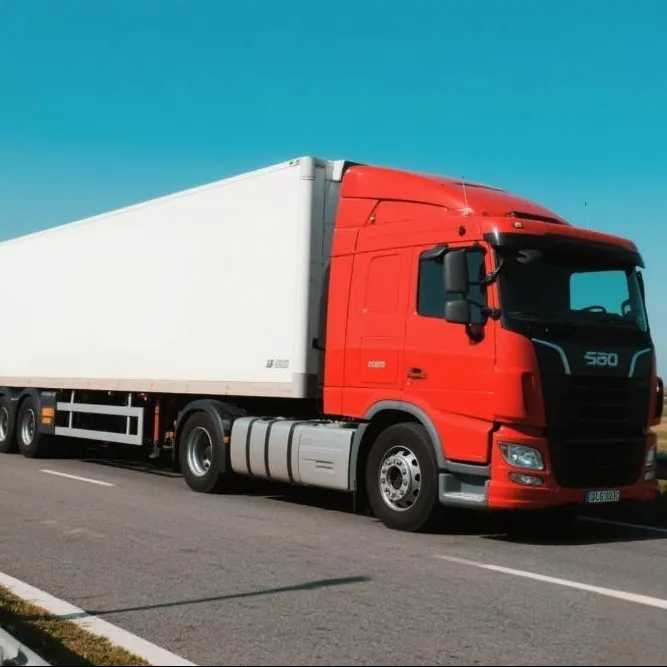
In today's interconnected global economy, businesses face unprecedented challenges in moving goods across international borders while maintaining competitive advantage. The complexity of modern supply chains demands sophisticated logistics transportation systems that can adapt to changing market conditions, regulatory requirements, and customer expectations. Companies that master the art of efficient logistics transportation position themselves for sustained growth and market leadership in an increasingly competitive landscape.
The Strategic Foundation of Modern Supply Chain Management
Building Competitive Advantage Through Transportation Excellence
Effective logistics transportation serves as the backbone of contemporary business operations, enabling companies to deliver products efficiently while minimizing costs and maximizing customer satisfaction. Organizations that invest in robust transportation networks gain significant advantages over competitors who rely on outdated or inefficient systems. The strategic implementation of advanced logistics transportation solutions allows businesses to respond quickly to market changes, reduce inventory holding costs, and improve overall operational flexibility.
Modern enterprises recognize that transportation efficiency directly impacts their bottom line through reduced operational expenses, improved delivery times, and enhanced customer loyalty. Companies implementing sophisticated logistics transportation strategies often experience substantial improvements in their market position and profitability. The integration of technology-driven transportation solutions enables real-time tracking, predictive analytics, and automated decision-making processes that streamline operations across multiple channels.
Integration of Technology and Transportation Systems
The digital transformation of logistics transportation has revolutionized how businesses approach supply chain management and operational efficiency. Advanced transportation management systems leverage artificial intelligence, machine learning, and predictive analytics to optimize routing decisions, reduce fuel consumption, and minimize delivery delays. These technological innovations enable companies to achieve unprecedented levels of visibility and control over their transportation operations.
Smart logistics transportation platforms provide businesses with comprehensive insights into performance metrics, cost analysis, and operational bottlenecks that might otherwise go undetected. The implementation of Internet of Things sensors and GPS tracking technologies allows for real-time monitoring of shipments, temperature control, and security measures throughout the transportation process. This level of technological integration transforms traditional transportation from a reactive service to a proactive strategic asset.
Economic Impact and Cost Optimization Strategies
Reducing Operational Expenses Through Efficient Systems
Businesses implementing optimized logistics transportation strategies typically achieve significant cost reductions across multiple operational areas including fuel consumption, labor expenses, and inventory management. The consolidation of shipments, optimization of delivery routes, and strategic placement of distribution centers contribute to substantial savings that directly improve profit margins. Companies that prioritize transportation efficiency often discover that initial investments in advanced systems generate impressive returns through reduced operational overhead.
The economic benefits of efficient logistics transportation extend beyond immediate cost savings to include improved cash flow management, reduced working capital requirements, and enhanced financial stability. Organizations that optimize their transportation networks can maintain lower inventory levels while ensuring product availability, resulting in improved asset utilization and better financial performance. This strategic approach to transportation management creates competitive advantages that compound over time.
Global Market Access and Expansion Opportunities
Efficient logistics transportation systems enable businesses to expand into new markets and serve customers across greater geographical distances without compromising service quality or profitability. Companies with robust transportation networks can explore international opportunities, establish global partnerships, and compete effectively in diverse markets. The ability to deliver products reliably and cost-effectively across long distances opens doors to revenue streams that would otherwise remain inaccessible.
Strategic transportation planning allows businesses to establish regional distribution centers, optimize cross-border operations, and navigate complex international regulations while maintaining competitive pricing. The global reach enabled by efficient logistics transportation systems transforms local businesses into international players capable of serving diverse customer bases. This expansion capability becomes increasingly valuable as markets become more interconnected and customer expectations continue to evolve.
Customer Satisfaction and Service Excellence
Meeting Rising Customer Expectations
Modern consumers expect fast, reliable, and transparent delivery services that provide real-time tracking information and flexible delivery options. Businesses that excel in logistics transportation consistently exceed customer expectations by offering predictable delivery times, accurate tracking information, and proactive communication about potential delays or issues. The ability to provide exceptional transportation services directly correlates with customer satisfaction scores, repeat purchase rates, and positive brand perception.
Companies implementing advanced logistics transportation solutions can offer customers multiple delivery options, including expedited shipping, scheduled deliveries, and specialized handling for sensitive products. This flexibility in transportation services allows businesses to cater to diverse customer preferences while maintaining operational efficiency. The result is improved customer loyalty, increased order values, and positive word-of-mouth marketing that drives organic business growth.
Building Brand Reputation Through Reliable Delivery
Consistent and reliable logistics transportation performance contributes significantly to brand reputation and market positioning, as customers increasingly associate delivery experiences with overall brand quality. Businesses that consistently deliver products on time and in perfect condition build strong reputations that differentiate them from competitors who struggle with transportation challenges. This reputation for reliability becomes a powerful marketing asset that influences purchasing decisions and customer retention.
The impact of transportation performance on brand perception extends beyond individual transactions to influence long-term customer relationships and market share growth. Companies known for exceptional logistics transportation services often command premium pricing and enjoy higher customer lifetime values. This competitive advantage becomes self-reinforcing as satisfied customers become brand advocates who recommend the business to others based on their positive delivery experiences.
Risk Management and Supply Chain Resilience
Mitigating Disruptions Through Diversified Transportation
Effective logistics transportation strategies incorporate multiple transportation modes, carrier partnerships, and route options to minimize the impact of disruptions caused by weather, mechanical failures, or other unforeseen circumstances. Businesses that rely on single transportation providers or routes expose themselves to significant risks that can paralyze operations and damage customer relationships. Diversified transportation networks provide redundancy and flexibility that enable companies to maintain service levels even when primary transportation options become unavailable.
The implementation of contingency planning and alternative transportation arrangements allows businesses to respond quickly to disruptions without compromising customer commitments or operational continuity. Companies with robust logistics transportation backup plans can reroute shipments, utilize alternative carriers, and implement emergency protocols that minimize the impact of unexpected events. This resilience becomes increasingly valuable as global supply chains face growing volatility and uncertainty.
Regulatory Compliance and Quality Assurance
Modern logistics transportation operations must navigate complex regulatory environments that vary by industry, geographic region, and product type, requiring sophisticated compliance management systems and processes. Businesses that maintain comprehensive compliance programs avoid costly penalties, regulatory delays, and reputation damage that can result from transportation violations. The integration of compliance monitoring into transportation management systems ensures consistent adherence to applicable regulations and standards.
Quality assurance in logistics transportation encompasses temperature control, handling procedures, documentation requirements, and security measures that protect product integrity throughout the transportation process. Companies implementing rigorous quality management systems can guarantee product condition, maintain regulatory compliance, and build customer confidence in their transportation capabilities. This attention to quality and compliance becomes a competitive differentiator in industries where product integrity is paramount.
FAQ
How does efficient logistics transportation impact overall business profitability
Efficient logistics transportation directly improves business profitability through reduced operational costs, faster inventory turnover, and improved customer satisfaction leading to increased sales. Companies with optimized transportation systems typically experience 15-25% reductions in logistics costs while achieving better service levels. The combination of cost savings and revenue enhancement creates compound benefits that significantly improve profit margins and return on investment.
What technologies are most important for modern logistics transportation systems
Key technologies include transportation management systems, GPS tracking, artificial intelligence for route optimization, predictive analytics for demand forecasting, and IoT sensors for real-time monitoring. These technologies work together to provide visibility, control, and optimization capabilities that transform transportation from a cost center into a strategic advantage. The integration of these technologies enables automated decision-making and proactive problem resolution.
How can small businesses compete with large enterprises in logistics transportation
Small businesses can leverage third-party logistics providers, collaborate with other companies for shipment consolidation, and utilize cloud-based transportation management systems to access enterprise-level capabilities. Strategic partnerships with specialized logistics providers enable small companies to offer competitive transportation services without massive capital investments. Focus on niche markets and personalized service can also differentiate small businesses from larger competitors.
What are the main challenges facing global logistics transportation today
Major challenges include increasing fuel costs, driver shortages, regulatory complexity, environmental sustainability requirements, and growing customer expectations for faster delivery. Additionally, geopolitical tensions, trade disputes, and infrastructure limitations create ongoing obstacles for international transportation operations. Successful companies address these challenges through diversification, technology adoption, and strategic planning that anticipates future developments.
Table of Contents
- The Strategic Foundation of Modern Supply Chain Management
- Economic Impact and Cost Optimization Strategies
- Customer Satisfaction and Service Excellence
- Risk Management and Supply Chain Resilience
-
FAQ
- How does efficient logistics transportation impact overall business profitability
- What technologies are most important for modern logistics transportation systems
- How can small businesses compete with large enterprises in logistics transportation
- What are the main challenges facing global logistics transportation today

