
 EN

Delivery reliability stands as one of the most critical factors in modern supply chain management, particularly for businesses managing international shipments and cross-border operations. When companies invest in door to door ddp logistics solutions, they gain access to a comprehensive delivery model that fundamentally transforms how products reach their final destinations. The door to door ddp logistics approach eliminates intermediary handoffs, reduces operational complexity, and establishes clear accountability across every stage of the journey. This integrated model ensures that businesses can predict delivery windows with greater accuracy, reduce the risk of cargo loss or damage, and maintain stronger relationships with their customers through transparent, reliable service delivery.
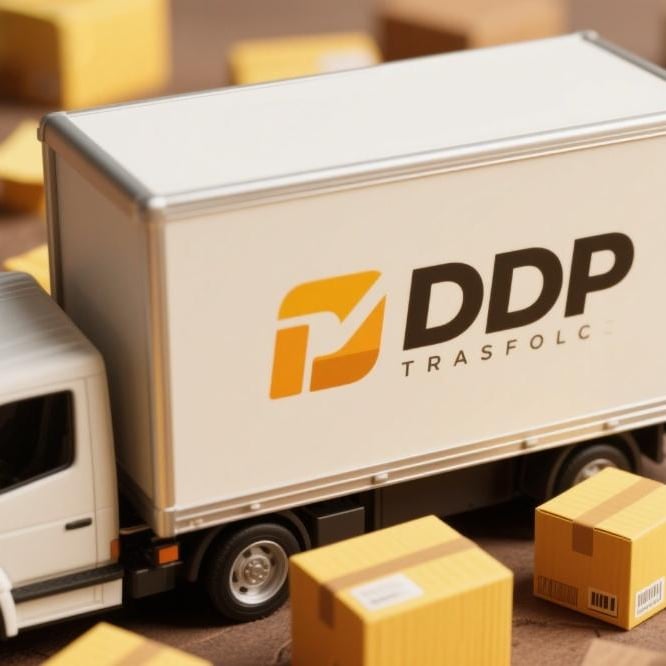
Door to door ddp logistics represents a delivery framework where the shipper assumes responsibility for the entire supply chain journey, from the origin warehouse through customs clearance, last-mile delivery, and final customer receipt. Unlike traditional models where responsibility shifts between multiple parties, door to door ddp logistics consolidates control, documentation, and liability into a single operational structure. This consolidation directly translates into improved delivery reliability because accountability cannot be diffused across disconnected logistics providers. Businesses using door to door ddp logistics experience fewer delays caused by communication breakdowns, reduced instances of cargo mishandling at transfer points, and enhanced ability to track shipments in real-time throughout the entire delivery cycle.
How Door-to-Door DDP Logistics Streamlines the Delivery Process
Unified Responsibility and Accountability Across All Stages
The fundamental strength of door to door ddp logistics lies in its unified accountability structure. When a single entity manages the entire supply chain from origin to final delivery, there are no grey areas about who is responsible for specific segments or outcomes. In traditional logistics, cargo passes through multiple parties—freight forwarders, customs brokers, carriers, and local delivery services—each with their own systems, schedules, and quality standards. Door to door ddp logistics eliminates this fragmentation by consolidating all operations under one service provider, who bears full responsibility for timely, undamaged delivery. This accountability structure creates powerful incentives for continuous performance improvement, real-time monitoring, and proactive problem-solving at every stage of the journey.
When door to door ddp logistics providers manage the complete supply chain, they invest in integrated technology platforms that provide end-to-end visibility. Shippers and their customers can access accurate tracking information at any moment, knowing exactly where cargo is located, what stage of customs clearance it has reached, and when it will arrive. This transparency builds confidence and allows businesses to plan their operations with certainty. Door to door ddp logistics providers have direct control over quality standards at every touchpoint, from warehouse handling procedures to carrier selection to final-mile delivery protocols. This comprehensive oversight dramatically reduces the probability of delays caused by miscommunication, lost documentation, or incompatible systems between service providers.
Optimized Customs Clearance and Regulatory Compliance
Customs delays represent one of the most significant sources of unreliability in international logistics. Door to door ddp logistics addresses this challenge by consolidating customs management under one expert provider who understands the regulatory landscape and has established relationships with customs authorities. When door to door ddp logistics is managed by experienced providers, they pre-prepare documentation, submit declarations in advance, and coordinate with regulatory agencies to ensure smooth clearance. This proactive approach eliminates the delays that occur when documentation is incomplete, misclassified, or submitted reactively at border crossings.
The door to door ddp logistics model places the entire burden of tax calculations, duty payments, and regulatory compliance on the service provider rather than the consignee. This shift in responsibility means the service provider has absolute accountability for ensuring all compliance requirements are met correctly and on schedule. Door to door ddp logistics providers invest in regulatory expertise and maintain current knowledge of tariff classifications, trade agreements, and changing import requirements. When shippers use door to door ddp logistics from knowledgeable providers, cargo clears customs faster because paperwork is accurate, complete, and properly categorized from the first submission. This eliminates the back-and-forth corrections and resubmissions that cause substantial delays in traditional logistics arrangements.
Reducing Delivery Delays Through Integrated Last-Mile Delivery Networks
Direct Control Over Final-Mile Operations
The final-mile delivery phase is where many logistics operations fail to meet reliability expectations. Traditional freight models hand cargo to local delivery networks with minimal oversight or quality control from the original shipper. Door to door ddp logistics maintains direct control over the final-mile delivery through dedicated networks or carefully selected partners who meet strict performance standards. When door to door ddp logistics providers manage this phase internally or through vetted exclusive partners, they can guarantee consistent service levels, proper handling procedures, and accurate delivery confirmation.
Door to door ddp logistics providers maintain specialized warehouses strategically positioned near major customer clusters, allowing them to consolidate shipments efficiently and plan delivery routes with precision. This infrastructure investment directly improves delivery reliability because cargo spends less time in temporary holding facilities and follows optimized routing patterns. Door to door ddp logistics providers use advanced route planning software and real-time traffic monitoring to ensure delivery vehicles reach destinations within promised time windows. When drivers operate under the door to door ddp logistics provider's brand and quality standards, they have stronger incentives to handle cargo carefully, deliver on time, and obtain proper delivery confirmation.
Real-Time Monitoring and Proactive Problem Resolution
Door to door ddp logistics systems incorporate GPS tracking, status monitoring, and automated alerts that detect potential delays before they significantly impact delivery schedules. When door to door ddp logistics providers identify emerging problems—traffic congestion, equipment failures, weather disruptions, or customs complications—they have the authority and flexibility to implement corrective actions immediately. Unlike traditional freight models where problems must be escalated through multiple disconnected parties, door to door ddp logistics enables instant decision-making and rapid intervention. This capability to identify and resolve issues before they cascade into major delays represents a core competitive advantage of the door to door ddp logistics model.
Door to door ddp logistics providers maintain communication protocols that ensure customers receive timely updates about their shipments. Customers using door to door ddp logistics can contact a single point of contact who has complete visibility into all aspects of their shipment's journey. This single-source accountability eliminates confusion about who to contact when problems arise and ensures concerns are addressed by someone with the authority to implement solutions. Door to door ddp logistics providers invest in customer communication infrastructure because improved communication directly correlates with customer satisfaction and retention.
Building Operational Efficiency and Predictability Through Integration
Consolidated Data and Forecasting Capabilities
Door to door ddp logistics providers consolidate shipping data across their entire customer base, creating powerful analytics that reveal patterns, identify bottlenecks, and enable accurate forecasting. This aggregated data intelligence allows door to door ddp logistics providers to continuously refine their operations, optimize carrier relationships, and anticipate seasonal challenges before they impact specific shipments. Shippers using door to door ddp logistics benefit from this institutional knowledge because their shipments navigate pathways that have been tested, refined, and optimized across thousands of previous deliveries.
When door to door ddp logistics providers have complete control over the entire supply chain, they can implement continuous improvement programs that enhance performance across all operational segments. Door to door ddp logistics providers identify which carriers, customs brokers, and final-mile networks consistently perform well and expand relationships with high-performing partners. This performance-based management system, enabled by the door to door ddp logistics model, drives reliability improvements throughout the entire supply chain ecosystem.
Cost Efficiency and Service Quality Alignment
Many logistics models create misaligned incentives where service providers prioritize speed or cost reduction over reliability. Door to door ddp logistics aligns financial incentives with reliability outcomes because the service provider absorbs losses and penalties when deliveries fail to meet reliability standards. This financial alignment motivates door to door ddp logistics providers to invest in quality infrastructure, hire reliable personnel, and maintain relationships with consistent partners. Shippers who use door to door ddp logistics benefit from this incentive structure because they receive not commodity transportation services, but premium reliability as a fundamental service component.
Door to door ddp logistics providers can optimize costs across their entire operation by consolidating shipments, negotiating volume discounts with carriers, and eliminating redundant handoff points. These operational efficiencies, enabled by the integrated door to door ddp logistics model, allow providers to deliver superior reliability without imposing excessive costs on shippers. This cost-reliability balance represents significant competitive advantage compared to traditional fragmented logistics arrangements.
FAQ
What specific reliability improvements can businesses expect when using door to door ddp logistics?
Businesses using door to door ddp logistics typically experience on-time delivery rates exceeding 95 percent, reduced cargo damage from 3–5 percent in traditional models to under 1 percent, and delivery delay incidents reduced by 70–80 percent compared to multi-party logistics arrangements. Door to door ddp logistics provides single-point accountability that eliminates miscommunication delays and enables proactive problem resolution before delays cascade. Customers receive accurate tracking information and consistent delivery schedules because door to door ddp logistics providers maintain integrated systems across all operational phases.
How does door to door ddp logistics handle complex cross-border regulations and tariff requirements?
Door to door ddp logistics providers employ regulatory compliance specialists who maintain current knowledge of tariff classifications, trade agreements, and import requirements across multiple markets. Door to door ddp logistics providers pre-prepare all documentation, submit declarations in advance, and maintain relationships with customs authorities that expedite clearance processes. Because door to door ddp logistics consolidates all compliance responsibility under one entity, errors are minimized and documentation is submitted accurately on the first attempt, eliminating the resubmission delays that plague traditional freight models.
Is door to door ddp logistics suitable for all types of products and shipment sizes?
Door to door ddp logistics works effectively for most general merchandise, manufactured goods, and consumer products with standard handling requirements. Door to door ddp logistics providers handle shipments ranging from partial truckload volumes to full container loads, scaling their services to match business needs. Some specialized products like hazardous materials, temperature-controlled goods, or high-value items require additional expertise that not all door to door ddp logistics providers offer, so businesses should verify specific capability requirements with their service provider before committing.

