
 EN
EN
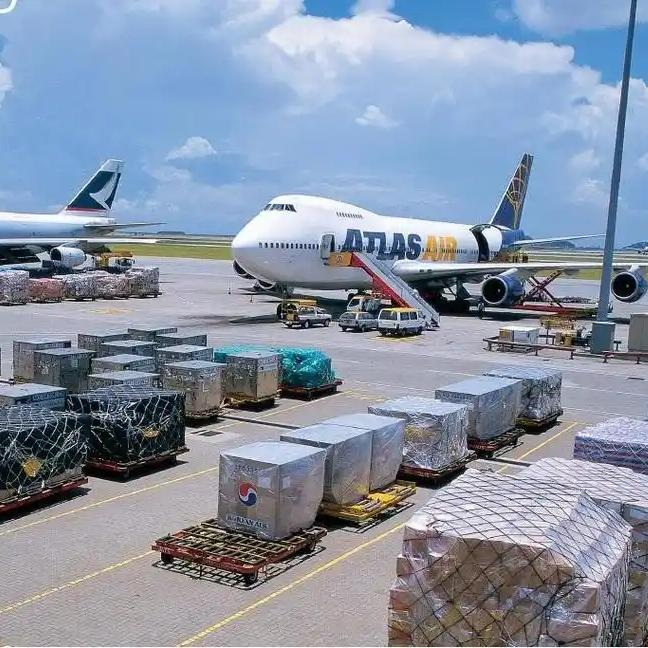
The global logistics landscape has undergone significant transformation, with China air freight forwarders emerging as pivotal players in international trade facilitation. These specialized service providers have revolutionized how businesses approach cross-border shipping, offering sophisticated solutions that streamline supply chain operations. Modern China air freight forwarders leverage advanced technology, strategic partnerships, and deep market knowledge to deliver exceptional value to their clients. Their expertise extends beyond simple cargo transportation, encompassing comprehensive logistics management that addresses the complex requirements of international commerce. The strategic positioning of these forwarders within Asia's largest economy provides unique advantages for businesses seeking efficient and reliable air transport solutions.
Strategic Network Development and Route Optimization
Hub Consolidation Strategies
China air freight forwarders have mastered the art of hub consolidation, creating centralized distribution points that maximize operational efficiency. These strategic hubs serve as collection and distribution centers where cargo from multiple origins converges before being redistributed to final destinations. The consolidation process allows forwarders to achieve better load factors on aircraft, reducing per-unit shipping costs while maintaining service quality. Major Chinese cities like Shanghai, Guangzhou, and Shenzhen have become focal points for these operations, benefiting from their proximity to manufacturing centers and excellent airport infrastructure. The strategic placement of consolidation hubs enables China air freight forwarders to offer competitive pricing while ensuring reliable transit times.
Advanced consolidation techniques involve sophisticated cargo matching algorithms that optimize space utilization across different aircraft types. These systems consider factors such as cargo density, dimensional weight, and destination requirements to create the most efficient loading configurations. The result is reduced operational costs that can be passed on to customers in the form of competitive rates. Additionally, consolidation strategies allow for better risk management by diversifying cargo across multiple shipments and routes.
Direct Route Establishment
The establishment of direct air routes represents a cornerstone of optimization strategies employed by China air freight forwarders. These direct connections eliminate intermediate stops, reducing transit times and minimizing cargo handling risks. Forwarders work closely with airlines to identify high-demand trade lanes where direct services can be economically justified. The development of these routes often involves long-term capacity commitments that enable airlines to deploy appropriate aircraft and maintain consistent schedules.
Direct route networks are particularly valuable for time-sensitive cargo such as electronics, pharmaceuticals, and perishable goods. By eliminating connection points, China air freight forwarders can offer guaranteed transit times that meet the demanding requirements of modern supply chains. The establishment of these routes often involves collaborative relationships with international partners, creating seamless door-to-door services that extend beyond Chinese borders.
Technology Integration and Digital Transformation
Advanced Tracking Systems
Modern China air freight forwarders have invested heavily in advanced tracking systems that provide real-time visibility throughout the transportation process. These systems utilize GPS technology, RFID tags, and IoT sensors to monitor cargo location, condition, and environmental parameters. Customers receive continuous updates on shipment status, enabling better inventory planning and customer service delivery. The integration of artificial intelligence enhances these systems by predicting potential delays and suggesting alternative routing options when disruptions occur.
Comprehensive tracking capabilities extend beyond simple location monitoring to include detailed cargo condition reporting. Temperature-sensitive shipments benefit from continuous environmental monitoring that ensures product integrity throughout the journey. Advanced analytics derived from tracking data help forwarders identify optimization opportunities and improve service quality over time. This data-driven approach enables proactive problem-solving and continuous improvement in operational performance.
Automated Documentation Processing
Digital transformation has revolutionized documentation processing for China air freight forwarders, eliminating manual paperwork and reducing processing times. Automated systems handle customs declarations, airway bills, and regulatory compliance documents with minimal human intervention. These systems integrate directly with government databases and international trade platforms, ensuring accuracy and compliance with evolving regulations. The automation reduces processing costs while improving document accuracy and reducing the risk of customs delays.
Machine learning algorithms continuously improve document processing accuracy by learning from historical data and identifying potential issues before they cause problems. Integration with blockchain technology provides secure, tamper-proof documentation that enhances trust and reduces fraud risks. These technological advances enable China air freight forwarders to process larger volumes of shipments while maintaining high service standards and reducing operational costs.
Capacity Management and Airline Partnerships
Strategic Airline Alliances
China air freight forwarders have developed sophisticated alliance structures with international and domestic airlines to secure reliable capacity across key trade routes. These partnerships involve long-term agreements that guarantee space allocation during peak seasons and provide preferential rates during off-peak periods. The collaborative approach enables forwarders to offer consistent service levels while managing capacity costs effectively. Strategic alliances also provide access to specialized aircraft types for oversized or unusual cargo requirements.
Alliance partnerships extend beyond simple capacity agreements to include joint marketing initiatives, shared technology platforms, and coordinated service development. These comprehensive relationships enable China air freight forwarders to offer integrated services that combine air transport with ground handling, customs clearance, and final delivery. The resulting service packages provide customers with simplified logistics management and single-point accountability for complex shipments.
Dynamic Pricing Models
Advanced pricing strategies employed by China air freight forwarders utilize dynamic models that adjust rates based on market conditions, capacity utilization, and seasonal demand patterns. These systems analyze historical data, current bookings, and market forecasts to optimize pricing decisions in real-time. The sophisticated approach enables forwarders to maximize revenue while maintaining competitive positioning in the market. Dynamic pricing also allows for better capacity utilization by incentivizing shipments during off-peak periods.
Machine learning algorithms enhance pricing accuracy by identifying subtle market patterns and customer behavior trends that traditional analysis might miss. The systems consider multiple variables including fuel costs, currency fluctuations, and geopolitical factors that could impact transportation costs. This comprehensive approach enables China air freight forwarders to offer stable, predictable pricing to customers while maintaining profitable operations across varying market conditions.
Customs and Regulatory Compliance Optimization
Regulatory Intelligence Systems
China air freight forwarders maintain sophisticated regulatory intelligence systems that monitor changing trade regulations, customs requirements, and security protocols across multiple jurisdictions. These systems provide real-time updates on regulatory changes that could impact shipment routing, documentation requirements, or transit procedures. Proactive compliance management helps prevent costly delays and ensures smooth customs clearance processes. The systems integrate with government databases and international trade organizations to maintain current information on all relevant regulations.
Advanced compliance systems also provide predictive analytics that identify potential regulatory issues before shipments depart. This proactive approach enables forwarders to address compliance requirements during the planning phase rather than dealing with problems at destination airports. The result is improved customer satisfaction and reduced operational costs associated with delayed or detained shipments.
Automated Customs Processing
Streamlined customs processing represents a significant competitive advantage for leading China air freight forwarders who have invested in automated systems that integrate directly with customs authorities. These systems automatically generate required documentation, calculate duties and taxes, and submit clearance requests without manual intervention. The automation reduces processing times from hours to minutes while improving accuracy and reducing compliance risks. Integration with multiple customs systems enables seamless processing across different jurisdictions.
Advanced customs automation includes risk assessment algorithms that identify shipments requiring special attention while expediting routine clearances. The systems maintain detailed compliance records that facilitate audit processes and demonstrate regulatory adherence. China air freight forwarders utilizing these technologies can offer faster transit times and more predictable delivery schedules, providing significant value to time-sensitive supply chains.
Quality Control and Performance Monitoring
Service Level Management
Comprehensive service level management systems enable China air freight forwarders to maintain consistent quality standards across all operations. These systems establish clear performance metrics including transit times, damage rates, and customer satisfaction scores. Continuous monitoring ensures that service levels meet or exceed customer expectations while identifying opportunities for improvement. Automated alerts notify management when performance metrics fall below established thresholds, enabling rapid corrective action.
Performance data analysis reveals patterns and trends that inform strategic decision-making and operational improvements. China air freight forwarders use this information to optimize routing decisions, adjust capacity allocations, and enhance customer service delivery. The systematic approach to quality management ensures consistent service delivery while supporting continuous improvement initiatives that maintain competitive advantages.
Customer Feedback Integration
Modern China air freight forwarders have implemented comprehensive customer feedback systems that collect and analyze client experiences across all touchpoints. These systems gather feedback through multiple channels including online surveys, mobile applications, and direct customer interactions. The collected data provides valuable insights into customer satisfaction levels and identifies specific areas for improvement. Advanced analytics transform feedback into actionable intelligence that drives operational enhancements and service innovations.
Feedback integration systems also enable personalized service delivery by tracking individual customer preferences and requirements. This information helps forwarders tailor their services to meet specific client needs while maintaining operational efficiency. The customer-centric approach builds stronger relationships and improves client retention rates while providing valuable market intelligence for strategic planning purposes.
FAQ
What advantages do China air freight forwarders offer compared to other international options
China air freight forwarders provide several distinct advantages including strategic geographic positioning, extensive manufacturing base connections, and competitive pricing structures. Their proximity to major production centers enables faster pickup times and consolidated shipments that reduce overall costs. Additionally, these forwarders often have preferential relationships with Chinese airlines and access to government incentives that support export activities. The combination of technological sophistication and cost-effective operations makes China air freight forwarders attractive partners for international businesses seeking reliable logistics solutions.
How do China air freight forwarders ensure cargo security during international transport
Cargo security is maintained through multiple layers of protection including secure facilities, advanced tracking systems, and comprehensive insurance coverage. China air freight forwarders implement strict access controls at their warehouses and utilize surveillance systems that monitor cargo throughout the handling process. Real-time tracking technology provides continuous location monitoring while tamper-evident packaging and sealing procedures protect cargo integrity. Additionally, these forwarders work closely with airlines and airports to ensure compliance with international security standards and protocols.
What types of cargo are best suited for China air freight forwarding services
China air freight forwarders excel in handling high-value, time-sensitive, and lightweight cargo including electronics, textiles, machinery components, and consumer goods. These forwarders are particularly effective for shipments requiring rapid transit times such as emergency spare parts, pharmaceutical products, and seasonal merchandise. Their expertise in handling export documentation and customs procedures makes them ideal for manufacturers seeking to reach international markets quickly and efficiently. The sophisticated handling capabilities also accommodate specialized cargo including temperature-controlled and hazardous materials.
How do seasonal fluctuations affect China air freight forwarding operations and pricing
Seasonal fluctuations significantly impact both capacity availability and pricing structures for China air freight forwarders, particularly during peak manufacturing and holiday periods. These forwarders manage seasonal variations through advance capacity booking, flexible pricing models, and diversified route networks that can accommodate shifting demand patterns. During peak seasons, early booking and consolidated shipments help customers secure space and manage costs effectively. Advanced planning and strong airline relationships enable China air freight forwarders to maintain service reliability even during high-demand periods while offering competitive alternatives when premium capacity becomes expensive.
Table of Contents
- Strategic Network Development and Route Optimization
- Technology Integration and Digital Transformation
- Capacity Management and Airline Partnerships
- Customs and Regulatory Compliance Optimization
- Quality Control and Performance Monitoring
-
FAQ
- What advantages do China air freight forwarders offer compared to other international options
- How do China air freight forwarders ensure cargo security during international transport
- What types of cargo are best suited for China air freight forwarding services
- How do seasonal fluctuations affect China air freight forwarding operations and pricing

