
 EN
EN
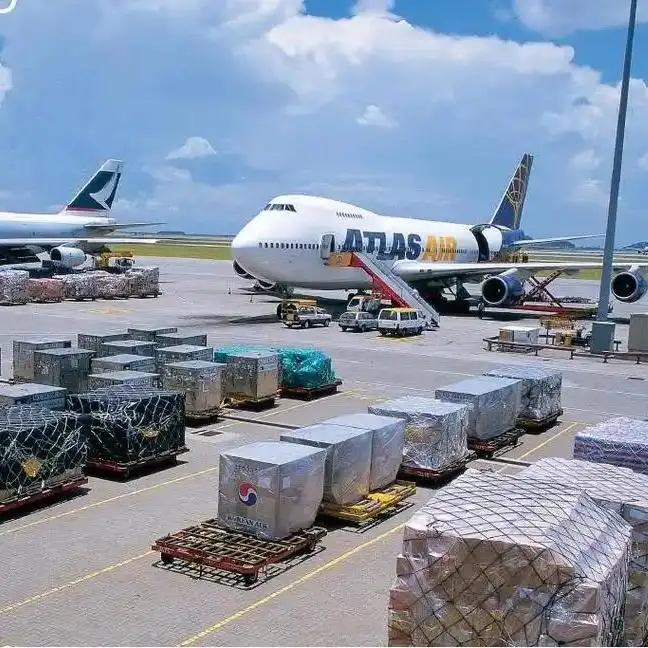
Sea freight logistics has become the backbone of global trade, particularly for businesses managing large shipments that require cost-effective and reliable transportation solutions. For companies dealing with substantial cargo volumes, understanding the advantages of sea freight logistics is essential to optimizing supply chains and reducing operational costs. The maritime shipping industry continues to evolve, offering unprecedented flexibility and capacity for industrial operations worldwide.
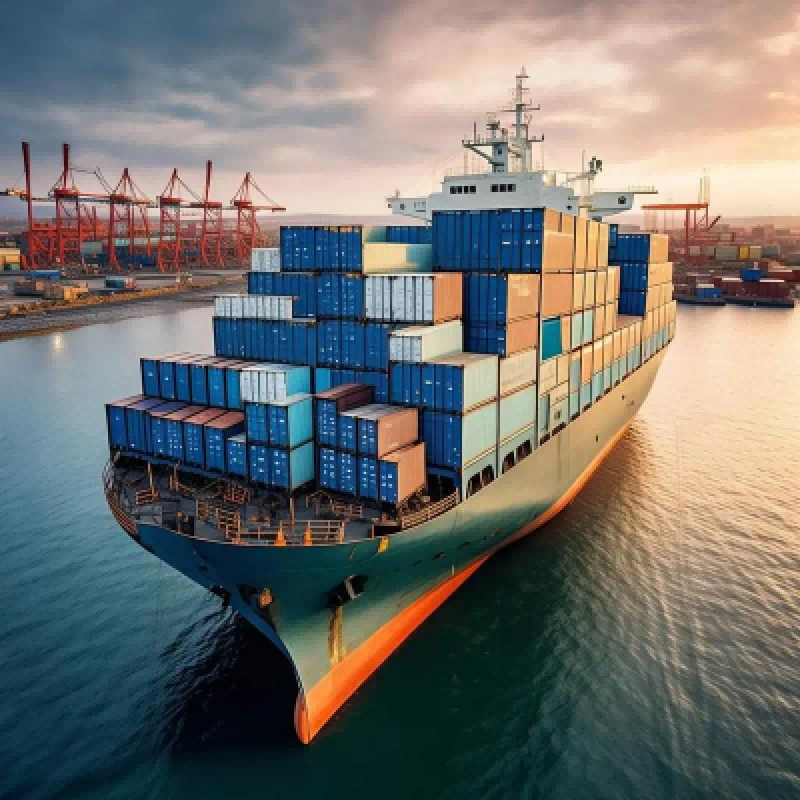
The primary appeal of sea freight logistics lies in its unmatched economic efficiency combined with massive cargo capacity. Whether shipping heavy machinery, containerized goods, or bulk materials, sea freight logistics provides the infrastructure necessary to move enormous quantities across international borders. This article explores the core advantages that make sea freight logistics the preferred choice for large shipment operations and how your business can benefit from maritime transportation strategies.
Cost Efficiency and Economic Advantages
Significant Savings on Per-Unit Transportation
Sea freight logistics delivers exceptional cost advantages compared to alternative transportation modes, especially when handling large shipments. The per-ton or per-container rate drops dramatically as cargo volume increases, making sea freight logistics the most economical choice for bulk operations. Fixed overhead costs are distributed across vast quantities of goods, resulting in transportation expenses that represent a fraction of total shipping costs in comparison to air or road freight alternatives.
The economics of sea freight logistics become increasingly favorable as shipment sizes grow. A single vessel can transport thousands of containers in one voyage, reducing the per-unit cost substantially. For manufacturers and traders managing regular large shipments, the cumulative savings from adopting sea freight logistics translate to millions of dollars annually in operational cost reductions.
Reduced Fuel and Operational Expenses
Sea freight logistics benefits from economies of scale that air freight cannot match. Modern container vessels operate with minimal fuel consumption relative to cargo capacity, making sea freight logistics remarkably fuel-efficient. Bunker fuel costs, while significant in absolute terms, become negligible when divided across a shipment of ten thousand containers, creating unbeatable cost structures that benefit shippers worldwide.
Operational expenses in sea freight logistics include port handling, documentation, and administrative fees, all standardized and highly competitive across major maritime hubs. These costs are generally lower than air freight services and can be negotiated favorably by shippers managing consistent, large-volume cargo flows through established sea freight logistics networks.
Capacity and Volume Handling Capabilities
Massive Cargo Volume Per Shipment
The defining characteristic of sea freight logistics is its extraordinary cargo capacity, with modern container vessels carrying up to twenty thousand containers per voyage. This capacity makes sea freight logistics the obvious choice for large shipments that would require multiple aircraft or hundreds of truck trips if using alternative methods. Industrial enterprises shipping raw materials, manufactured goods, or components can consolidate entire production runs into single sea freight logistics operations, dramatically simplifying logistics management.
Sea freight logistics accommodates diverse cargo types including hazardous materials, oversized equipment, and specialized containers, each within the same voyage. This flexibility enables businesses to ship varied product lines through unified sea freight logistics channels, optimizing inventory distribution and warehouse management across global markets. The ability to handle mixed cargo in single voyages distinguishes sea freight logistics from more restrictive transportation alternatives.
Flexible Containerization Options
Sea freight logistics offers multiple container formats designed to accommodate virtually any large shipment requirement. Standard twenty-foot and forty-foot containers form the foundation of sea freight logistics infrastructure, with specialized containers available for refrigerated goods, hazardous substances, and oversized cargo. This standardization within sea freight logistics simplifies handling, tracking, and documentation across international borders.
Modern sea freight logistics providers offer customized solutions including break-bulk services for non-containerized large shipments and ro-ro services for vehicles and machinery. The adaptability of sea freight logistics infrastructure means businesses rarely face capacity constraints when shipping substantial quantities, enabling long-term strategic planning based on reliable maritime transportation capabilities.
Sustainability and Environmental Considerations
Lower Carbon Footprint Per Unit
Sea freight logistics provides environmental advantages that increasingly matter to corporate sustainability initiatives and regulatory compliance requirements. Maritime transportation produces significantly lower carbon emissions per ton of cargo compared to air or truck transport, making sea freight logistics the environmentally responsible choice for large shipments. When measured by emissions per ton-kilometer, sea freight logistics substantially outperforms competing modes, contributing to measurable reductions in supply chain carbon intensity.
Companies committing to environmental goals find sea freight logistics essential to achieving sustainability targets without compromising operational capacity. By consolidating large shipments through maritime channels, businesses dramatically reduce their transportation carbon footprint while maintaining competitive cost structures. This environmental advantage of sea freight logistics strengthens brand reputation among eco-conscious consumers and partners.
Alignment with Global Sustainability Standards
The maritime industry has adopted increasingly stringent environmental standards that continuously improve the sustainability profile of sea freight logistics. Modern vessels incorporate advanced fuel efficiency technology, and the industry increasingly explores alternative fuels including liquefied natural gas and hydrogen. These developments reinforce sea freight logistics as the sustainable transportation solution for companies managing large shipments globally.
Regulatory frameworks worldwide now favor sea freight logistics through carbon pricing mechanisms and emissions standards that reward lower-impact transportation methods. Businesses utilizing sea freight logistics for large shipments position themselves favorably within emerging regulatory landscapes, avoiding potential penalties while benefiting from incentive structures that recognize maritime transportation efficiency.
Reliability and Schedule Consistency
Predictable Transit Timing
Sea freight logistics operates on established shipping schedules that provide reliable, predictable timing for large shipments moving between major ports. While transit times are longer than air freight, sea freight logistics offers consistency that enables accurate forecasting and inventory management. Regular scheduled services on major trade routes mean businesses can depend on sea freight logistics for time-sensitive operations when planning allows adequate lead time.
The predictability of sea freight logistics reduces supply chain uncertainty and enables just-in-time inventory practices that minimize warehousing costs. Companies shipping large quantities regularly can synchronize production schedules with sea freight logistics departures, creating efficient workflows that would be impossible with less reliable transportation methods.
Established Infrastructure and Network Coverage
Mature maritime networks supporting sea freight logistics connect virtually every significant port globally, with service frequencies that ensure regular departure windows for large shipments. Port infrastructure improvements worldwide continue expanding the capabilities and efficiency of sea freight logistics hubs. This extensive network ensures businesses can access reliable sea freight logistics services for reaching any major market without significant routing complications.
FAQ
What types of cargo work best with sea freight logistics?
Sea freight logistics excels with bulk commodities, containerized manufactured goods, machinery, raw materials, and standardized products requiring large shipments. Perishables benefit from specialized reefer containers, while project cargo and oversized equipment can be accommodated through break-bulk or heavy-lift services. Any cargo moving in substantial volumes typically finds sea freight logistics as the optimal transportation solution economically and operationally.
How does sea freight logistics compare to air freight for speed?
Sea freight logistics transit times typically range from two to six weeks depending on routes, compared to air freight's days to one week delivery. While slower, sea freight logistics costs are five to ten times lower, making it superior for planned shipments where lead time exists. For emergency or time-critical large shipments, air freight remains necessary despite higher costs; sea freight logistics serves the vast majority of non-urgent commerce.
Can small businesses benefit from sea freight logistics?
While sea freight logistics excels with large shipments, small businesses can access these advantages through consolidation services and freight forwarders. These intermediaries combine multiple shipments into container loads, enabling smaller companies to enjoy sea freight logistics cost benefits. Consolidation makes sea freight logistics economically viable for businesses unable to fill entire containers independently.

