
 EN
EN

Selecting the right China freight forwarder can make or break your international shipping operations. With thousands of freight forwarding companies operating across China's major ports and industrial centers, identifying the most reliable partner requires careful evaluation of specific criteria that directly impact your supply chain efficiency, cost management, and delivery reliability. Understanding these selection criteria is essential for businesses seeking to establish sustainable logistics partnerships in the world's largest manufacturing hub.
The complexity of China's logistics landscape, combined with varying service quality among providers, makes strategic forwarder selection a critical business decision. Companies that establish clear evaluation criteria before engaging with potential China freight forwarder partners consistently achieve better shipping outcomes, reduced operational risks, and stronger long-term partnerships. This systematic approach to forwarder selection addresses the unique challenges of Chinese logistics while ensuring alignment with your specific business requirements and growth objectives.
Core Service Capabilities and Geographic Coverage
Port Network Access and Strategic Locations
A trusted China freight forwarder must demonstrate comprehensive coverage across China's major shipping hubs, including Shanghai, Shenzhen, Ningbo, Qingdao, and Guangzhou. Port network access directly influences shipping options, transit times, and cost efficiency for your cargo movements. Evaluate whether the forwarder maintains physical offices or reliable agent networks at ports most relevant to your supply chain, as local presence significantly impacts cargo handling quality and problem resolution speed.
Geographic coverage extends beyond coastal ports to include inland transportation networks and regional logistics capabilities. The ideal China freight forwarder should offer seamless door-to-door services, connecting manufacturing centers in interior provinces to international shipping terminals. This comprehensive coverage eliminates the need for multiple logistics providers, reducing coordination complexity and potential service gaps in your supply chain operations.
Multimodal Transportation Expertise
Modern supply chains require China freight forwarder partners capable of managing diverse transportation modes including ocean freight, air cargo, rail transport, and truck services. Multimodal expertise enables optimal routing decisions based on urgency, cost considerations, and cargo characteristics. Assess whether potential forwarders can provide integrated solutions that combine different transport modes to achieve your specific delivery and budget requirements.
The China freight forwarder should demonstrate proven experience in handling cargo transitions between transportation modes, managing documentation requirements for each segment, and coordinating timing to minimize delays. This capability becomes particularly valuable when managing time-sensitive shipments or optimizing costs through strategic mode selection based on seasonal demand patterns and capacity availability.
Regulatory Compliance and Documentation Management
Export License and Legal Authorization
Verification of proper licensing represents a fundamental criterion when selecting a China freight forwarder. Legitimate forwarders must hold valid freight forwarding licenses issued by Chinese authorities, customs broker licenses, and appropriate business registration documentation. Request copies of these credentials and verify their authenticity through official government databases to ensure your chosen partner operates within legal frameworks.
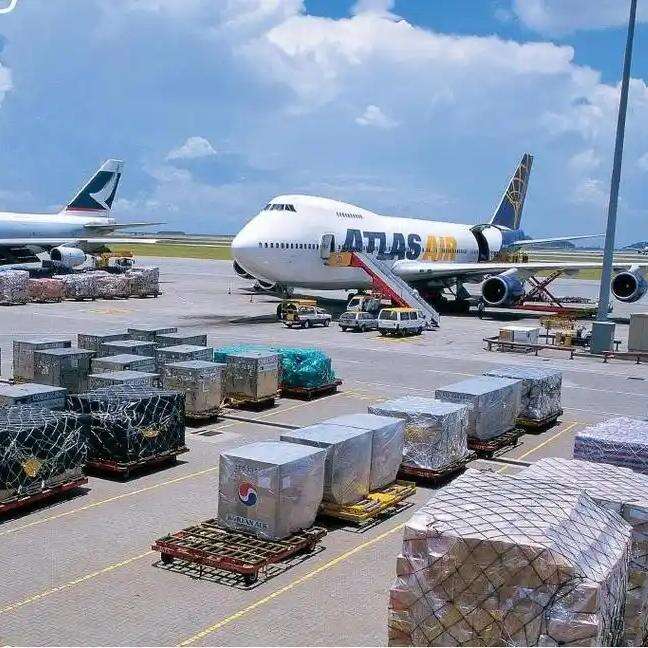
Beyond basic licensing, evaluate whether the China freight forwarder maintains specialized certifications for handling restricted goods, dangerous materials, or regulated products relevant to your industry. These additional qualifications demonstrate expertise in managing complex compliance requirements and reduce the risk of customs delays or regulatory violations that could impact your shipping schedules and business reputation.
Customs Clearance Proficiency
Customs clearance expertise directly impacts shipping speed and compliance accuracy. A competent China freight forwarder should maintain established relationships with customs authorities, understand current regulations, and demonstrate consistent success in processing various cargo types through Chinese customs procedures. Evaluate their track record for customs clearance times, accuracy in documentation preparation, and ability to resolve customs-related issues quickly.
The China freight forwarder should provide transparent information about customs procedures, required documentation, and potential delays based on cargo characteristics and seasonal factors. This transparency enables better planning and helps avoid unexpected costs or delays that could disrupt your supply chain operations and customer commitments.
Technology Infrastructure and Communication Systems
Digital Platform Capabilities
Modern logistics operations require China freight forwarder partners with robust digital platforms that provide real-time visibility into shipment status, documentation management, and performance metrics. Evaluate whether potential forwarders offer user-friendly online portals, mobile applications, or API integrations that align with your internal systems and reporting requirements.
Technology capabilities should include automated tracking updates, electronic document sharing, and digital communication tools that streamline coordination between your team and the forwarder's operations staff. The China freight forwarder's technology infrastructure should support efficient data exchange and reduce manual processes that can introduce errors or delays in your logistics operations.
Communication Standards and Language Support
Effective communication forms the foundation of successful logistics partnerships. Assess whether the China freight forwarder provides multilingual support, maintains clear communication protocols, and offers dedicated account management for your business. Language barriers can lead to misunderstandings that result in shipping errors, documentation problems, or service delays that impact your operations.
The communication standards should include defined response times for inquiries, regular status updates on active shipments, and proactive notification of potential issues or delays. A reliable China freight forwarder establishes clear escalation procedures and ensures consistent communication quality across all interaction points with your organization.
Financial Stability and Pricing Transparency
Financial Health Assessment
Financial stability of your chosen China freight forwarder directly impacts service reliability and business continuity. Request financial statements, credit references, and insurance documentation to evaluate the forwarder's ability to maintain operations during economic fluctuations or industry challenges. Financially unstable forwarders pose risks of service disruptions, cargo handling issues, or inability to honor contractual commitments.
Insurance coverage represents another critical financial consideration. The China freight forwarder should maintain comprehensive liability insurance, cargo insurance options, and professional indemnity coverage that protects your interests in case of service failures or cargo damage. Verify insurance limits, coverage terms, and claims procedures to ensure adequate protection for your shipping investments.
Transparent Pricing Structure
Pricing transparency enables accurate cost planning and prevents unexpected charges that can impact your logistics budget. A trustworthy China freight forwarder provides detailed quotations that clearly separate base transportation costs, handling fees, documentation charges, and additional services. Avoid forwarders who provide vague pricing or resist providing detailed cost breakdowns for your shipping requirements.
The pricing structure should include clear terms for additional services, emergency handling, and currency fluctuation adjustments. Understanding all potential costs upfront allows better budgeting and helps compare different China freight forwarder options based on total cost of service rather than just basic transportation rates.
Industry Experience and Customer References
Sector-Specific Expertise
Industry experience significantly influences a China freight forwarder's ability to handle your specific cargo types and understand your business requirements. Evaluate whether potential forwarders have demonstrated success in your industry sector, understand relevant regulations, and can provide specialized handling for your products. Sector expertise reduces learning curves and minimizes risks associated with inexperienced handling of specialized cargo.
The China freight forwarder should provide examples of similar projects, demonstrate knowledge of industry-specific challenges, and offer solutions tailored to your sector's unique requirements. This expertise becomes particularly valuable for regulated industries, specialized equipment shipping, or time-sensitive supply chains that require deep understanding of operational nuances.
Reference Verification and Performance History
Customer references provide valuable insights into actual service performance and relationship management capabilities. Request contact information for current customers with similar shipping profiles and verify their satisfaction levels, service consistency, and problem resolution experiences. Direct customer feedback often reveals service aspects that may not be apparent during initial sales presentations.
Performance history should include metrics such as on-time delivery rates, documentation accuracy, damage rates, and customer retention statistics. A established China freight forwarder should provide transparent performance data and demonstrate continuous improvement efforts based on customer feedback and operational experience.
FAQ
How can I verify the legitimacy of a China freight forwarder?
Verify legitimacy by requesting copies of freight forwarding licenses, customs broker licenses, and business registration certificates, then confirming these documents through official Chinese government databases. Check their physical office addresses, visit facilities when possible, and verify their standing with relevant industry associations and regulatory bodies.
What red flags should I watch for when evaluating potential forwarders?
Warning signs include reluctance to provide licensing documentation, unusually low pricing without clear explanations, poor communication responsiveness, lack of physical office addresses, no verifiable customer references, and pressure to make immediate commitments without proper evaluation periods.
How important is it for a China freight forwarder to have international certifications?
International certifications such as IATA membership, FIATA affiliation, or ISO quality standards demonstrate commitment to professional standards and global best practices. While not mandatory, these certifications often indicate higher service quality, better training programs, and stronger international networks that benefit your shipping operations.
Should I prioritize cost or service quality when selecting a forwarder?
Balance cost considerations with service quality by evaluating total value rather than just transportation rates. Consider factors such as reliability, communication quality, problem resolution capabilities, and long-term partnership potential. The lowest-cost option often results in higher total costs due to delays, errors, or additional coordination requirements.

