
 EN
EN
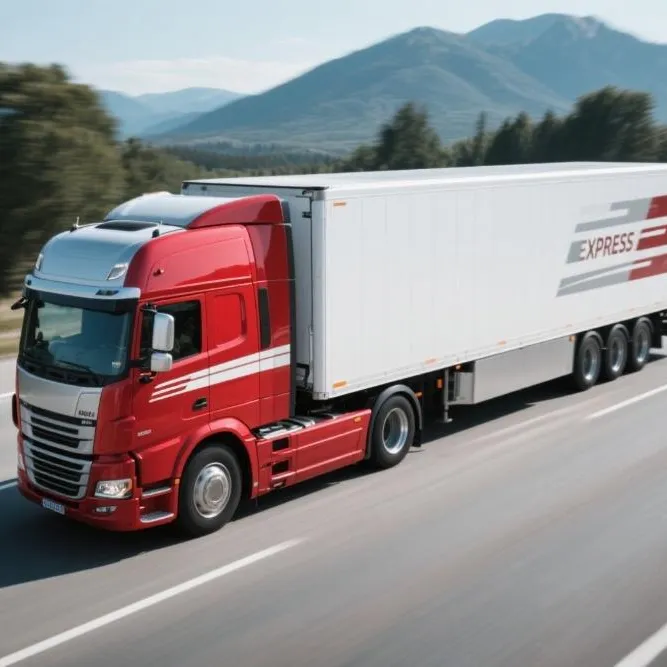
Air freight logistics serves as the backbone for businesses requiring swift, secure, and reliable transportation of high-value and time-sensitive cargo across global markets. When companies face urgent shipping requirements or handle precious commodities that demand exceptional care, air freight logistics emerges as the only viable solution capable of meeting these critical business demands. The unique characteristics of air freight logistics, including unparalleled speed, enhanced security protocols, and precise tracking capabilities, make it indispensable for industries where every hour counts and cargo value justifies premium transportation costs.
The essential nature of air freight logistics becomes evident when examining the specific requirements of high-value and urgent cargo transport. Unlike conventional shipping methods that prioritize cost efficiency over speed, air freight logistics addresses the fundamental business challenge of balancing time constraints with cargo security. Companies operating in pharmaceutical, electronics, aerospace, and luxury goods sectors consistently rely on air freight logistics to maintain supply chain integrity, meet customer expectations, and preserve product quality during international transportation.
Speed and Time-Critical Delivery Requirements
Unmatched Transit Times for Urgent Shipments
Air freight logistics delivers cargo across continents within hours or days, compared to weeks required by ocean freight or ground transportation. This speed advantage becomes crucial when businesses face production shutdowns due to missing components, medical emergencies requiring immediate pharmaceutical supplies, or seasonal demand surges that cannot wait for slower shipping alternatives. The rapid transit capabilities of air freight logistics enable companies to respond to market changes, customer demands, and supply chain disruptions with unprecedented agility.
The time-sensitive nature of certain cargo types makes air freight logistics not just preferable but absolutely necessary. Fresh produce with limited shelf life, live animals requiring minimal transport duration, and emergency relief supplies for disaster-affected regions all depend on the speed that only air freight logistics can provide. These scenarios demonstrate how air freight logistics transforms from a premium service option into an essential business requirement.
Frequency and Scheduling Flexibility
Air freight logistics offers multiple daily departures on major trade routes, providing shippers with unprecedented scheduling flexibility. This frequency allows businesses to plan shipments around production schedules, customer commitments, and market opportunities without being constrained by limited departure options. The extensive network of commercial airlines and dedicated cargo carriers ensures that air freight logistics can accommodate last-minute booking requests and urgent shipping requirements.
The scheduling reliability inherent in air freight logistics helps businesses maintain just-in-time inventory strategies and reduce warehousing costs. Companies can coordinate their production and distribution activities around predictable air freight logistics schedules, optimizing their entire supply chain operations. This scheduling precision becomes particularly valuable for industries where timing coordination across multiple locations determines overall operational success.
Security and Protection for High-Value Cargo
Enhanced Security Protocols and Handling Standards
Air freight logistics incorporates multiple layers of security measures specifically designed to protect high-value cargo throughout the transportation process. Airport security requirements, restricted access areas, and comprehensive documentation procedures create a controlled environment that significantly reduces theft, damage, and unauthorized access risks. These security protocols make air freight logistics the preferred choice for transporting expensive electronics, luxury goods, precious metals, and confidential documents.
The rigorous handling standards maintained within air freight logistics operations ensure that delicate and valuable items receive appropriate care during loading, transit, and unloading procedures. Specialized equipment, trained personnel, and climate-controlled environments protect sensitive cargo from physical damage, environmental hazards, and contamination. These protective measures justify the premium costs associated with air freight logistics when cargo value exceeds the additional transportation investment.
Tracking and Visibility Throughout Transit
Advanced tracking systems integrated into air freight logistics operations provide real-time visibility into shipment location, status, and estimated delivery times. This transparency allows shippers and recipients to monitor their high-value cargo continuously, coordinate receiving activities, and respond proactively to any potential delays or issues. The detailed tracking information available through air freight logistics systems exceeds the visibility levels provided by other transportation modes.
The comprehensive documentation and tracking capabilities of air freight logistics create detailed audit trails that support insurance claims, regulatory compliance, and quality assurance requirements. This documentation proves essential for high-value cargo where accountability and proof of proper handling determine financial liability and business relationships. The meticulous record-keeping inherent in air freight logistics operations provides peace of mind for shippers managing valuable or regulated commodities.
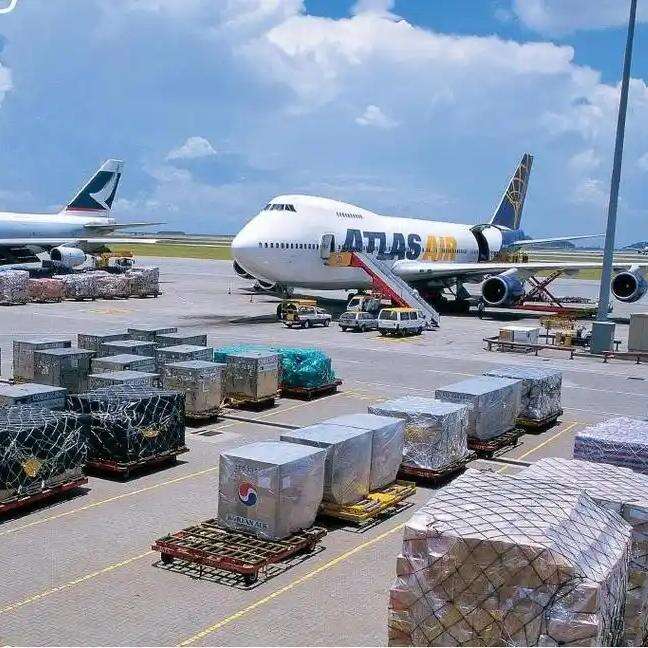
Industry-Specific Applications and Use Cases
Pharmaceutical and Healthcare Industries
Pharmaceutical companies depend on air freight logistics to maintain the cold chain requirements essential for vaccine distribution, biological samples, and temperature-sensitive medications. The controlled environment capabilities and rapid transit times of air freight logistics prevent product degradation and ensure therapeutic efficacy upon delivery. Emergency medical situations often require immediate access to specialized drugs or medical devices that only air freight logistics can deliver within critical time windows.
The regulatory compliance requirements governing pharmaceutical transportation align perfectly with the documentation standards and security protocols inherent in air freight logistics operations. Chain of custody procedures, temperature monitoring, and tamper-evident packaging work together to maintain product integrity and regulatory compliance throughout international shipments. These requirements make air freight logistics indispensable for pharmaceutical companies operating in global markets.
Technology and Electronics Sectors
High-tech manufacturing companies utilize air freight logistics to transport expensive components, prototypes, and finished products that require careful handling and rapid delivery. The short product lifecycles characteristic of technology industries make speed a competitive necessity, positioning air freight logistics as a strategic advantage rather than merely a shipping option. Component obsolescence risks and market timing pressures drive technology companies to prioritize the speed and reliability that air freight logistics provides.
The anti-static handling procedures and controlled environments maintained throughout air freight logistics operations protect sensitive electronic equipment from electromagnetic interference and environmental damage. These protective measures become particularly important for semiconductors, precision instruments, and advanced manufacturing equipment where even minor damage can result in complete product failure. The specialized handling capabilities of air freight logistics justify the premium costs when protecting high-value technology shipments.
Cost-Benefit Analysis and Value Proposition
Total Cost of Ownership Considerations
While air freight logistics commands premium pricing compared to ocean or ground transportation, the total cost analysis often favors air transport when considering inventory carrying costs, insurance premiums, and opportunity costs associated with delayed deliveries. High-value cargo generates significant carrying costs during extended transit times, making the premium pricing of air freight logistics economically justified when shipment values exceed certain thresholds.
The reduced packaging requirements and lower insurance premiums associated with air freight logistics partially offset the higher transportation costs. The shorter transit times reduce exposure to damage, theft, and loss, resulting in lower insurance premiums for high-value shipments. Additionally, the climate-controlled environments standard in air freight logistics operations eliminate the need for extensive protective packaging required for longer surface transportation journeys.
Risk Mitigation and Business Continuity
Air freight logistics serves as a critical risk mitigation tool for businesses facing supply chain disruptions, production delays, or market opportunities that require immediate response. The ability to quickly deploy inventory, replace defective components, or capitalize on unexpected demand surges provides strategic flexibility that can determine competitive success. This risk mitigation capability makes air freight logistics essential for businesses operating in volatile or competitive markets.
Business continuity planning increasingly incorporates air freight logistics as a standard contingency measure for addressing supply chain emergencies. When production lines face shutdown due to component shortages or when quality issues require immediate product recalls, air freight logistics provides the rapid response capability necessary to minimize business impact. The strategic value of this contingency capability often exceeds the actual transportation costs, making air freight logistics a form of business insurance.
Global Trade and Market Access Advantages
International Market Penetration
Air freight logistics enables businesses to access global markets rapidly and efficiently, particularly for high-value products where transportation costs represent a small percentage of total product value. The extensive network of international airports and customs facilities integrated into air freight logistics systems facilitates market entry strategies that would be impractical with slower transportation modes. This global reach capability makes air freight logistics essential for businesses pursuing international expansion or serving time-sensitive customer needs across multiple countries.
The standardized procedures and documentation requirements of air freight logistics simplify international trade compliance and reduce customs clearance delays. Experienced air freight logistics providers understand the regulatory requirements of different countries and can facilitate smooth customs processing for high-value shipments. This expertise becomes particularly valuable for businesses lacking experience in international trade regulations and documentation requirements.
Supply Chain Optimization and Integration
Modern air freight logistics systems integrate seamlessly with enterprise resource planning systems, warehouse management systems, and customer relationship management platforms to create end-to-end supply chain visibility. This integration capability allows businesses to optimize inventory levels, coordinate production schedules, and manage customer expectations based on real-time shipment information. The technological sophistication of air freight logistics systems supports advanced supply chain strategies that depend on precise timing and coordination.
The reliability and predictability of air freight logistics enable businesses to implement lean inventory strategies and reduce working capital requirements. When companies can depend on consistent transit times and delivery performance, they can optimize stock levels and reduce safety inventory without compromising customer service levels. This optimization capability makes air freight logistics a strategic enabler for efficient supply chain operations rather than simply a transportation service.
FAQ
When does air freight logistics become cost-effective for high-value cargo?
Air freight logistics becomes cost-effective when the cargo value exceeds approximately $5-10 per kilogram, considering that air freight typically costs 4-8 times more than ocean freight. The cost-effectiveness calculation must include inventory carrying costs, insurance savings, reduced packaging requirements, and opportunity costs of delayed delivery. For urgent shipments or time-sensitive cargo, the cost-effectiveness threshold may be lower due to the strategic value of speed.
How does air freight logistics handle temperature-sensitive high-value cargo?
Air freight logistics utilizes specialized temperature-controlled containers and monitoring systems throughout the transportation process. Cold chain management protocols maintain consistent temperatures from pickup to delivery, with continuous monitoring and documentation to ensure product integrity. Advanced air freight logistics providers offer multiple temperature zones, real-time temperature alerts, and backup systems to prevent temperature excursions that could damage sensitive high-value cargo.
What security measures protect high-value cargo in air freight logistics?
Air freight logistics employs multiple security layers including restricted airport access, secure cargo areas, comprehensive documentation requirements, and background-checked personnel. High-value shipments receive additional security measures such as escort services, tamper-evident seals, GPS tracking devices, and priority handling procedures. These security protocols significantly reduce the risk of theft, damage, or unauthorized access compared to other transportation modes.
Can air freight logistics accommodate oversized or specialized high-value equipment?
Air freight logistics can accommodate oversized and specialized high-value equipment through dedicated cargo aircraft, specialized handling equipment, and customized loading procedures. Charter flights and specialized air freight logistics providers offer solutions for cargo that exceeds standard size or weight limitations. However, dimensional and weight restrictions may require careful planning and potentially higher costs for oversized items, making it important to coordinate with experienced air freight logistics providers during the planning phase.
Table of Contents
- Speed and Time-Critical Delivery Requirements
- Security and Protection for High-Value Cargo
- Industry-Specific Applications and Use Cases
- Cost-Benefit Analysis and Value Proposition
- Global Trade and Market Access Advantages
-
FAQ
- When does air freight logistics become cost-effective for high-value cargo?
- How does air freight logistics handle temperature-sensitive high-value cargo?
- What security measures protect high-value cargo in air freight logistics?
- Can air freight logistics accommodate oversized or specialized high-value equipment?

