
 EN
EN
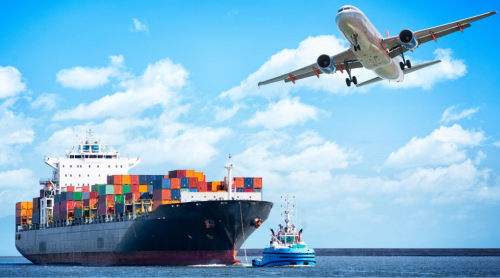
Para empresas que adquirem mercadorias internacionalmente, envio da China é uma das decisões operacionais mais críticas que tomarão. A China continua sendo o maior exportador mundial, e a rede logística que conecta as fábricas chinesas aos mercados globais é ao mesmo tempo vasta e complexa. Compreender os principais fatores envolvidos no frete da China ajuda as empresas a reduzir atrasos, controlar custos e manter a confiabilidade da cadeia de suprimentos.
Seja você uma pequena marca de comércio eletrônico ou um fabricante em larga escala, o frete da China envolve múltiplas etapas de planejamento. Desde a seleção do modo de transporte adequado até a navegação na documentação aduaneira, cada decisão tem impacto direto nos prazos de entrega e no resultado financeiro final. Este artigo apresenta os fatores mais importantes que toda empresa deve avaliar antes e durante o processo de frete.
Seleção do Modo de Frete para Envios da China
Frete Marítimo vs. Frete Aéreo
A escolha do modo de frete é a base de qualquer estratégia de envio da China. O frete marítimo é a opção mais amplamente utilizada para remessas de alto volume e peso elevado. Oferece o menor custo por unidade, mas envolve tempos de trânsito mais longos, normalmente variando de duas a seis semanas, dependendo do porto de destino. As empresas que planejam com antecedência seus ciclos de estoque se beneficiarão mais do frete marítimo ao enviar da China.
O frete aéreo, por outro lado, reduz drasticamente o tempo de trânsito, muitas vezes entregando em três a sete dias úteis. No entanto, o custo de envio da China por via aérea é significativamente maior, tornando-o adequado principalmente para mercadorias sensíveis ao tempo, itens de alto valor ou remessas menores, nas quais a velocidade justifica a despesa. Muitas empresas utilizam uma combinação de ambos os modos, conforme a demanda sazonal e a urgência.
Opções Ferroviárias e Multimodais
O frete ferroviário surgiu como uma alternativa competitiva intermediária para o transporte de mercadorias da China para a Europa e Ásia Central. A rede ferroviária China-Europa oferece tempos de trânsito mais rápidos do que o transporte marítimo e custos menores do que o aéreo, tornando-a atrativa para empresas com urgência moderada e sensibilidade ao orçamento. A logística multimodal, que combina dois ou mais modos de transporte, pode otimizar ainda mais o envio da China ao equilibrar velocidade, custo e acessibilidade geográfica.
Gestão de Custos e Transparência de Preços
Compreensão do Custo Total do Envio da China
Muitas empresas subestimam o custo total envolvido no transporte da China. A taxa de frete em si é apenas um componente. As taxas adicionais incluem taxas de manuseio de origem, taxas de documentação, sobretaxas de combustível, sobretaxas por congestionamento portuário, direitos aduaneiros de destino e custos de entrega da última milha. Não levar essas taxas em consideração pode causar estouros significativos no orçamento. Ao avaliar cotações para transporte da China, solicite sempre um detalhamento completo de todas as taxas, em vez de confiar em uma única taxa geral.
Os Termos Comerciais Internacionais (Incoterms) também desempenham um papel fundamental na definição de quem arca com quais custos durante o transporte da China. Termos como FOB, CIF e DDP definem as responsabilidades do comprador e do vendedor em cada etapa da jornada. Escolher o Incoterm errado pode deixar sua empresa inesperadamente responsável por cobranças que você não havia antecipado. Empresas novas no transporte da China devem trabalhar com um agente de cargas experiente para esclarecer a alocação de custos antes de finalizar contratos com fornecedores.
Flutuações Sazonais nas Tarifas
As tarifas de frete para embarques da China variam consideravelmente com base na demanda sazonal, na capacidade global de transporte marítimo e na congestão portuária. O período em torno do Ano Novo Chinês, por exemplo, registra uma forte elevação da demanda antes do feriado e uma desaceleração durante o próprio feriado. Da mesma forma, os picos pré-festivos nos mercados ocidentais impulsionam as tarifas de frete para embarques da China no terceiro e quarto trimestres. Planejar os embarques com ampla antecedência em relação às temporadas de pico e fixar as tarifas por meio de contratos futuros podem ajudar as empresas a gerenciar eficazmente a volatilidade de custos.
Conformidade Aduaneira e Documentação
Requisitos de Documentação para Exportação
A documentação precisa é essencial para garantir um embarque fluido da China. O conjunto padrão de documentos normalmente inclui uma fatura comercial, lista de embalagem, conhecimento de embarque (bill of lading) ou conhecimento aéreo (airway bill) e certificado de origem. Para produtos regulamentados, podem ser exigidas certificações adicionais, como relatórios de inspeção de qualidade ou certificados de conformidade do produto. Erros ou omissões na documentação estão entre as principais causas de atrasos aduaneiros quando envio da China , tornando a preparação cuidadosa uma prioridade para cada remessa.
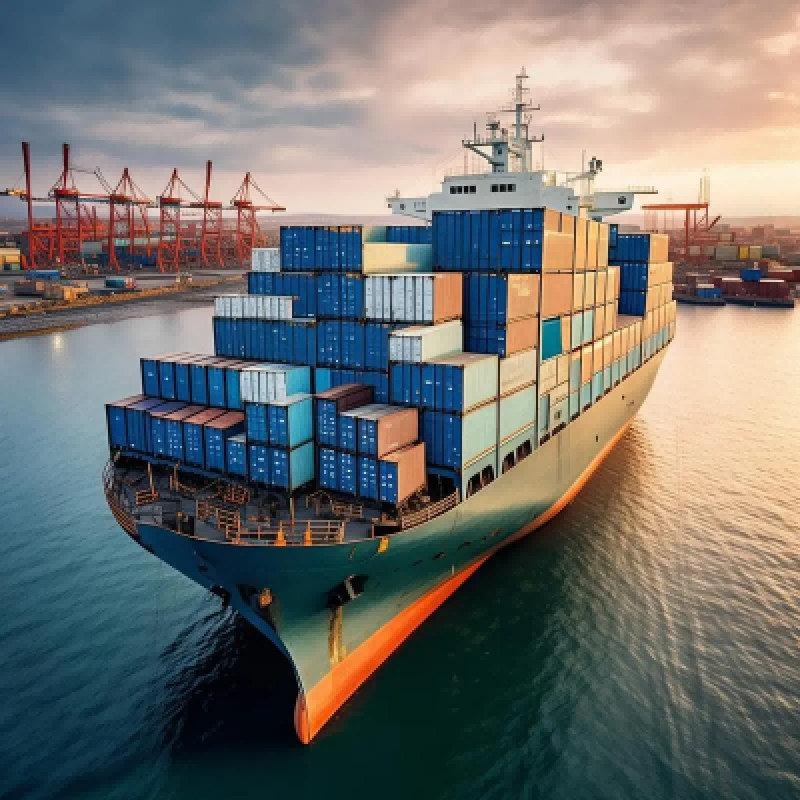
Trabalhar com um agente de carga confiável especializado em embarques da China garante que as declarações de exportação sejam corretamente apresentadas no lado chinês e que toda a documentação de importação esteja alinhada com os requisitos do país de destino. As autoridades aduaneiras dos principais países importadores possuem regras rigorosas, e a não conformidade pode resultar em multas, retenções ou até mesmo apreensão das mercadorias. As empresas também devem verificar os códigos do Sistema Harmonizado (SH) para seus produtos, pois a classificação incorreta desses códigos é um erro frequente e oneroso nos embarques provenientes da China.
Direitos de Importação e Regulamentações Comerciais
O envio da China para mercados como os Estados Unidos, a União Europeia ou a Austrália exige conhecimento sobre os direitos aduaneiros aplicáveis e quaisquer medidas comerciais especiais. As alíquotas tarifárias podem variar significativamente conforme a categoria do produto, e alguns bens podem estar sujeitos a direitos antidumping ou a outras medidas de defesa comercial. Antes de se comprometer com o envio da China, as empresas devem verificar as alíquotas de imposto de importação aplicáveis aos seus produtos e avaliar se acordos de livre comércio ou programas tarifários preferenciais podem reduzir os custos. Manter-se atualizado sobre as alterações na política comercial é essencial, pois os regulamentos que afetam o envio da China podem mudar com relativamente pouco aviso prévio.
Perguntas Frequentes
Qual é o método mais econômico para envio da China para pedidos de grande volume?
O transporte marítimo é geralmente o método mais econômico para envios da China ao lidar com pedidos grandes ou pesados. As remessas em contêineres completos oferecem a melhor tarifa por unidade, enquanto as opções de carga parcial (LCL) atendem volumes menores a um preço moderado. Empresas com prazos flexíveis são as que mais se beneficiam do transporte marítimo ao enviar da China.
Quanto tempo normalmente leva o envio da China?
Os tempos de trânsito para envios da China variam conforme o modo de transporte e o destino. O transporte marítimo normalmente leva de duas a seis semanas, o aéreo de três a sete dias úteis e o ferroviário cerca de duas a três semanas para cargas com destino à Europa. O processamento portuário e os tempos de liberação aduaneira no destino podem acrescentar dias adicionais a qualquer remessa enviada da China.
Quais documentos são necessários para o envio da China?
Os documentos essenciais para o envio da China incluem uma fatura comercial, uma lista de embalagem, um conhecimento de embarque ou conhecimento aéreo e um certificado de origem. Dependendo do produto e do país de destino, podem ser necessários certificados de conformidade adicionais ou relatórios de inspeção. A documentação precisa e completa é a forma mais eficaz de evitar atrasos aduaneiros ao enviar da China.

